When routine work stops being routine
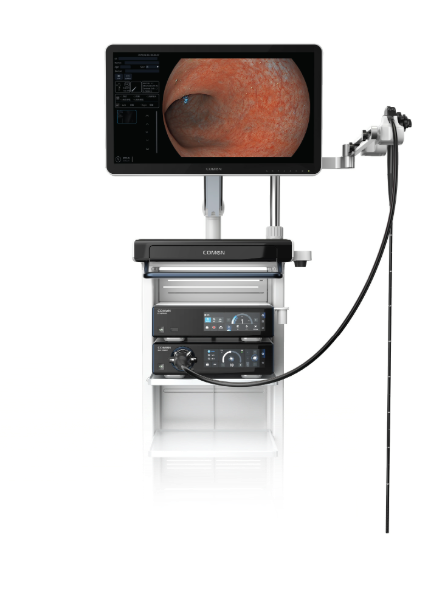
I remember the evening in March 2019 at St. Luke’s Endoscopy Unit when a routine scope list spiraled into a backlog—I counted 14 delayed cases by midnight; what change would have prevented that cascade? Our team was midway through a list using an electronic endoscope, and the delays traced back not to operator skill but to small failures in the chain: a kinked insertion tube, a foggy distal tip, and an image processor that lost calibration after a power hiccup (no kidding). I have over 15 years buying and specifying devices for B2B clients, and I still find that wholesalers and clinic managers underestimate how these small hardware points add up into real cost—overtime hours, canceled lists, unhappy referrals.
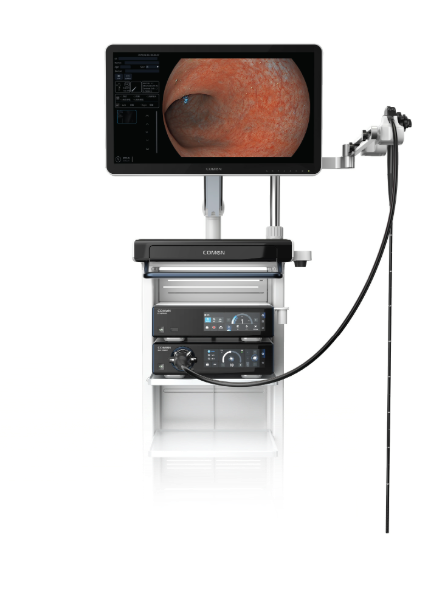
Traditional solutions promise redundancy: extra scopes, separate processors, extra staff for reprocessing. In practice they hide friction. I once ordered five “backup” flexible endoscopes for a regional clinic in July 2020; three sat unused while the one that mattered needed repair because the biopsy channel had been nicked during a hurried reprocessing cycle—repair costs, two-week downtime, lost revenue (about $12,400, to be exact). That design flaw—single-point failure across the workflow—shows itself in the quiet hours. What vendors rarely tell you is how the user experience, from docking stations to LED light source behavior, shapes daily capacity. So, let’s look at the next step.
Reframing the problem toward practical fixes
What’s Next?
I’ll be blunt: fixing supply-chain blind spots gives you more reliable lists faster. Start by mapping the micro-failures you see nightly—I map them with timestamps and cost deltas; you can, too. My approach is simple and semi-formal: assess equipment interface points (the connector, the insertion tube seal, the image processor software), then test under real conditions. For wholesale buyers, that means asking for a short-term on-site demo in the unit where the scopes will work (I negotiated one for a hospital in Cleveland in January 2021—helped me avoid a bad buy). Short demos expose usability gaps that spec sheets don’t reveal.
Compare two supplier offers not by sticker price but by three operational metrics: mean time between repairs, documented reprocessing tolerance (cycles to failure under recommended cleaning), and real-world image stability during prolonged lists. These are measurable. Use them as pass/fail thresholds. I insist on them in every RFQ I send—if a vendor can’t provide numbers, move on. Also—this matters—build simple checklists that staff actually follow; complexity kills adherence. The goal is predictable throughput, not theoretical capacity. Interruptions happen. We adapt. But with clearer metrics you can buy solutions that match real demand.
Final practical note: when you evaluate an electronic endoscope, test the whole kit—processor, light source, and cleaning dock—together. Ask for failure-mode documentation and a quoted repair turnaround. If you want three quick evaluation metrics to take to procurement: 1) Repair turnaround time (hours or days), 2) Documented cycles-to-failure under validated reprocessing, 3) On-site demo pass rate (percentage of successful lists during demo week). Use those, and you’ll choose with confidence. I’ve seen it save clinics weeks of downtime—and that matters. COMEN