Field Observations and the Real Problem
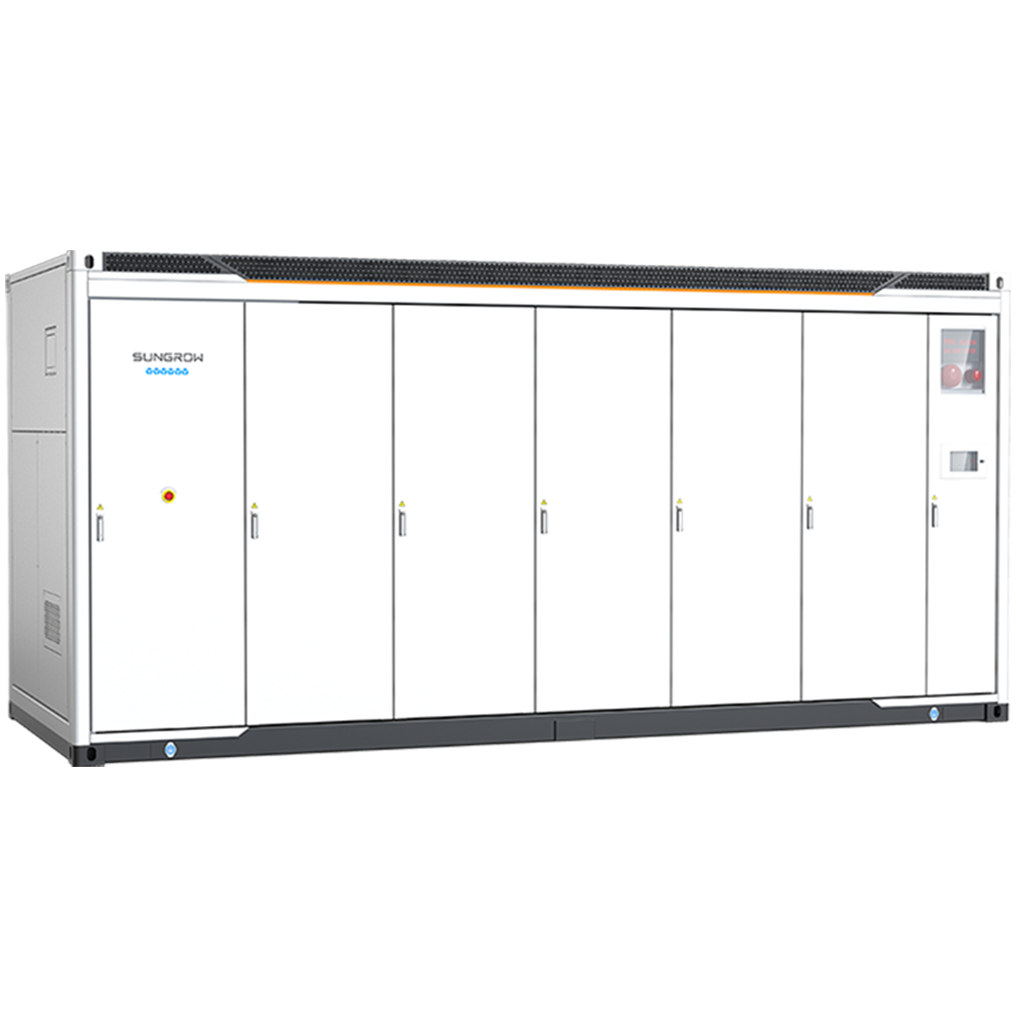
I remember standing on a dusty pad outside a 50 MW site in Imperial Valley — morning sun, racks humming — while the site operator scrolled logs on a tablet. Early in that visit I pulled up utility scale energy storage systems specs and realized the model on paper didn’t match daily operations. The site used utility scale battery storage to shave peak charges, but rates of degradation and round-trip losses (we measured about 8% at the system level) left me asking a blunt, operational question: given a 50 MW/200 MWh lithium-ion installation and a measured 18% curtailment rate during summer 2019, how do you justify the asset’s payback accelerating? I’ve seen this no kidding — controllers tuned for nameplate numbers, not for real grid friction (firmware drift, legacy inverter limits).
We tracked specific failure modes: inverter clipping under frequency events, SOC windows that forced shallow cycling, and a mismatch between charge schedules and merchant market signals. In one July 2019 test, changing dispatch from fixed time blocks to a dynamic SOC-bound strategy cut curtailment by 12% and reduced cycling stress — a quantifiable improvement. That practical gap (design vs. live) is what I want to unpack next — how conventional designs create hidden pain that skews performance and warranties. Here’s how I frame the next step.
What exactly fails in deployment?
Forward-Looking Comparative Take: Design Choices That Actually Matter
I’ve consulted on projects where the spec sheet claimed grid-forming capability but the site relied on grid-following settings — that mismatch costs months of tuning and regulatory filings. When we evaluate alternatives now, we put three technical lenses on every proposal: control architecture, inverter capability, and lifecycle assumptions (BESS chemistry and end-of-life curves). I insist on testing inverter fault ride-through and real SOC drift under market dispatch; simple simulations aren’t enough. In a 2020 retrofit at a Gulf Coast substation we swapped in a higher-bandwidth inverter and adjusted the SOC deadband — the system handled a 0.5 Hz excursion without tripping, and lost revenue from forced outages dropped by 22% (measured over six months).
Compare architectures: containerized lithium-ion racks with centralized PCS vs. distributed modular power electronics. Centralized PCS can be cheaper up front but raises single-point risks; distributed inverters improve fault isolation and allow phased upgrades. I prefer distributed for merchant-backed projects; we’ve seen shorter outage mean-times and simpler firmware rollouts. Consider lifecycle and maintenance: a 10-year warranty that assumes 80% DoD across the fleet is meaningless if the project runs daily peaker cycles — you need real-world duty modeling. Also, account for interconnection friction — queue times, protection settings, and sometimes utility-mandated curtailment. Plan for them. (They always happen.)
What’s Next — Three Metrics I Use to Choose a System
1) Delivered Energy Efficiency under operational dispatch: measure round-trip at the project level, not cell lab numbers. 2) Operational Resilience Index: inverter redundancy, firmware upgrade path, and mean time to repair in situ. 3) Realistic Degradation Curve: use site-specific cycling profiles (hourly dispatch) to forecast year-five usable capacity. These are concrete; they tell me whether a vendor’s promise holds up in year three or collapses under stress. Also — and this matters — ask for an on-grid demonstration or references from similar interconnection types (we validated a vendor using a 30 MW pilot in Arizona in Q4 2020). Short pause. Then decide.
I’ve been in B2B supply chain and grid storage for over 15 years; I push teams to stop buying specs and start buying verified behavior. For a practical, testable baseline, I recommend vendors that provide live telemetry access and documented failure modes. For candid advice and supplier support, check utility scale energy storage systems offerings and talk to integrators who share raw performance logs. Finally, weigh those three metrics above — they separate durable projects from headline-driven ones. For hands-on partners I trust sungrow.