Why this comparison matters in a brittle grid age
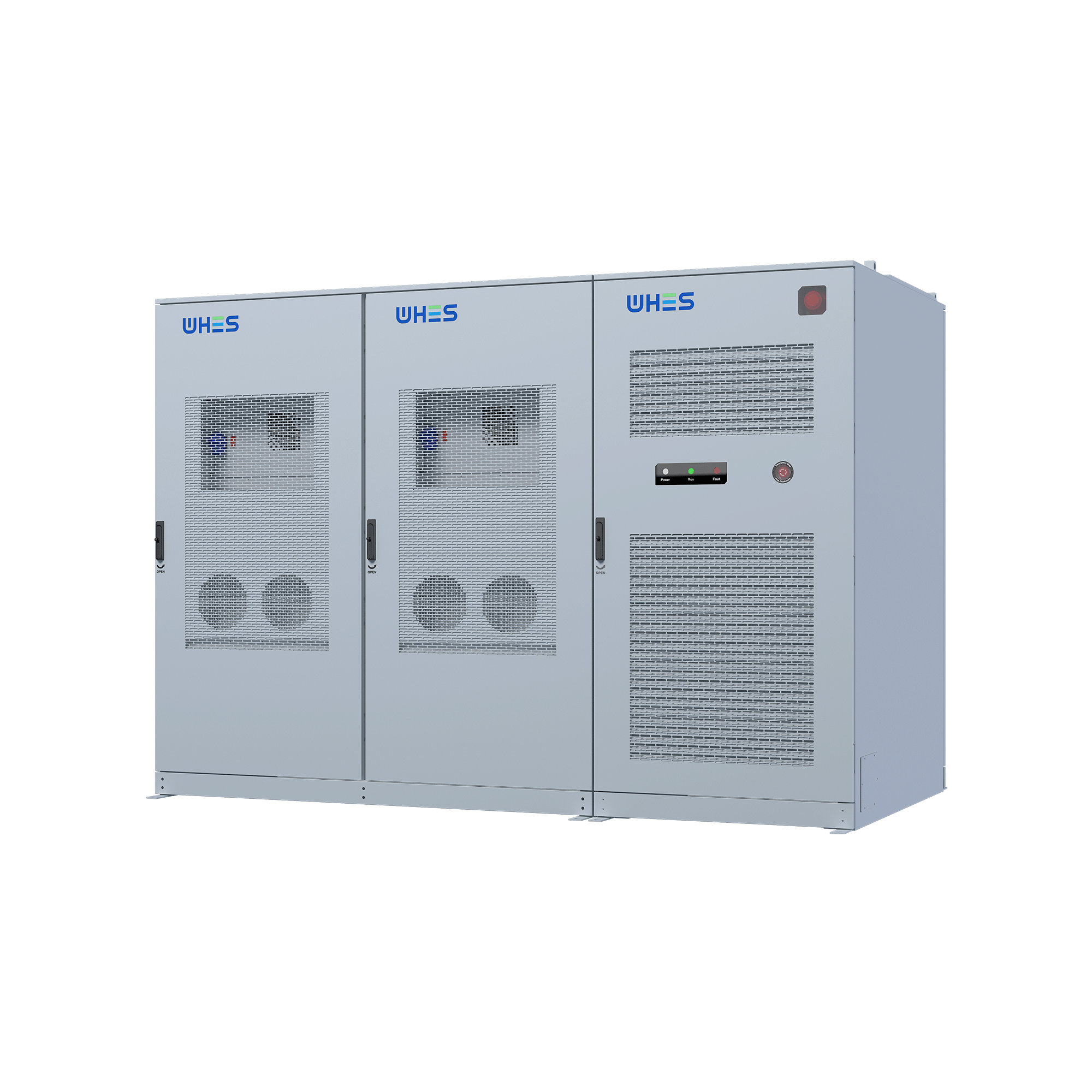
When the lights fail and the grid’s hum falls silent, the question is not poetic — it’s practical. Comparing islanding frameworks reveals which systems will actually resurrect a home after an outage, not merely keep the fridge warm. The failures during the February 2021 Texas winter storm taught utilities and homeowners a bitter lesson: systems that cannot perform a black-start are ornamental in a crisis. For brands, integrators, and careful homeowners, the choice between passive backup and an active, grid-forming architecture — embodied by some premium commercial energy storage offerings — determines whether you endure darkness or regain control. Terms like islanding and black-start are no longer academic; they are survival criteria.
Two islanding philosophies: passive vs. active
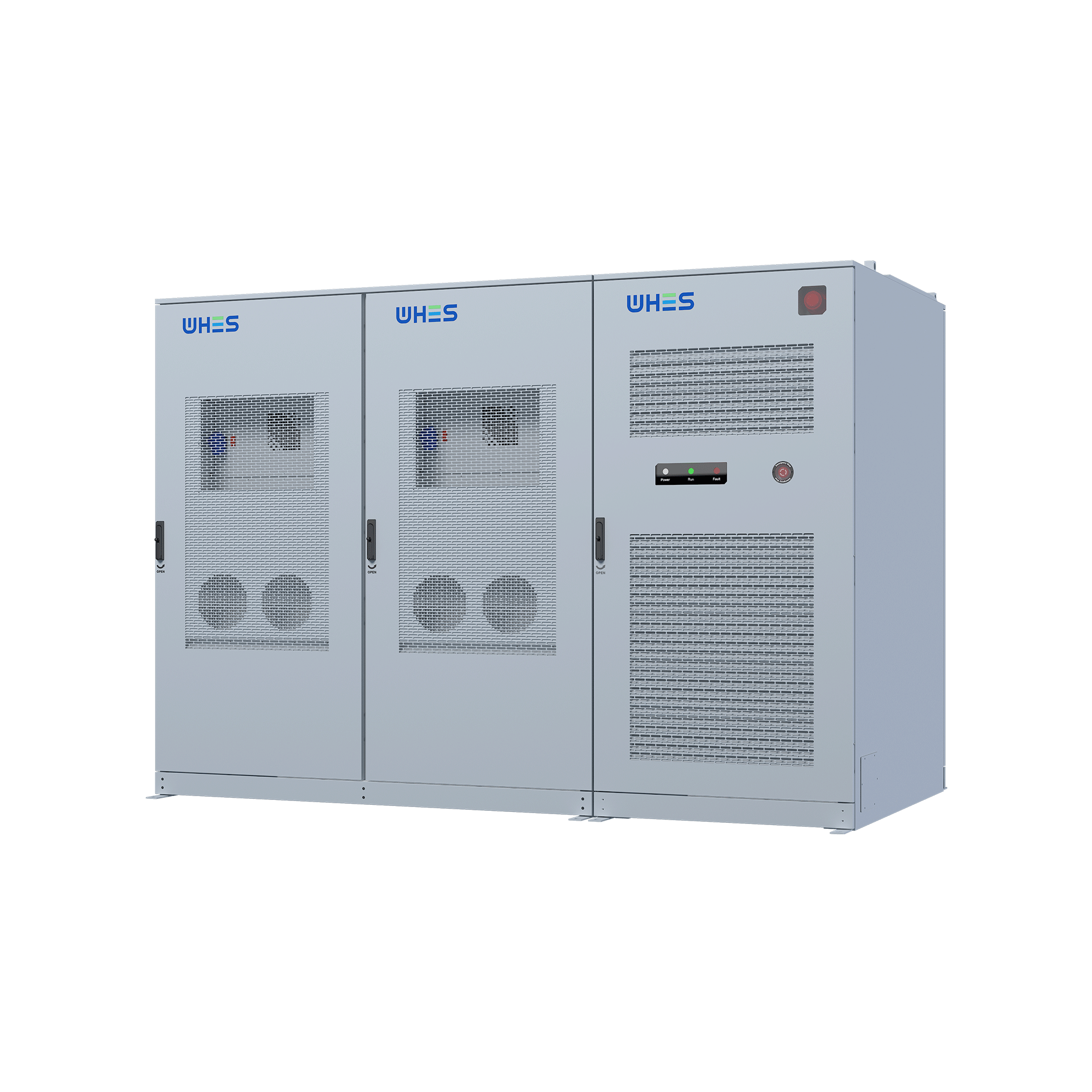
At a glance, islanding frameworks split into passive (ride-through) and active (grid-forming) schools. Passive systems wait for the grid to re-establish sync and rely on transfer switches; active systems create their own stable microgrid, regulating voltage and frequency. Compare them as you would a lamp and a generator: one protects from flicker, the other reclaims sovereignty. The differences bear on inverter type, control logic, and the battery management system (BMS) sophistication.
Technical anatomy: what premium home systems bring to the dark
Premium systems elevate the conversation with features that matter when the lights are out. Expect:
- Grid-forming inverter capability — can establish stable AC reference without utility presence.
- Advanced BMS with intelligent state-of-charge (SoC) strategies to reserve energy for black-start operations.
- Seamless transfer controls and synchronization logic for smooth islanding and reconnection.
These elements — plus respectable round-trip efficiency and scalable modularity — are the difference between a temporary brightening and a functional household microgrid. In practice, a robust solar energy storage system pairings with grid-forming inverters allow faster restoration and more predictable uptime.
How black-start actually unfolds — a practical contrast
Black-start capability means a system can power essential circuits and spin up inverters without external grid voltage. Contrast two scenarios:
- Basic backup: a transfer switch flips; critical loads run from stored energy until the grid returns. No attempt to re-energize the house’s broader electrical plane.
- Black-start-capable microgrid: the system energizes a small bus, restores critical subpanels, and can sequentially bring on larger loads or even synchronize to a restored feeder.
The latter requires coordination between inverter control, BMS state-of-charge thresholds, and protection relays. It is choreographed restoration, not mere survival. — It is complex, and installers must test scenarios against real loads to avoid nuisance trips.
Costs, trade-offs, and reliability metrics
Premium home systems carry higher upfront costs: more advanced inverters, richer controls, and sometimes higher-spec cells. Yet cost must be measured against outage duration risk, repair windows in your region, and the value of continuity. Useful metrics to compare include mean time between failures (MTBF), cycle life at usable depth of discharge (DoD), and documented reconnection time in islanding mode. Vendors that can show field data or cite performance during publicized events — again, think Texas 2021 for grid stress scenarios — are more credible than those offering glossy brochures.
Common mistakes buyers make
Homeowners and specifiers stumble by assuming all battery systems can black-start, by underestimating inrush currents from motors, or by failing to define priority loads. They often sign contracts without first-article commissioning clauses or without verifying compatibility of the inverter with local protection schemes. A pragmatic checklist:
- Verify grid-forming capability and soft-start features for large loads.
- Specify SoC reserves and automated load-shedding thresholds.
- Require staged commissioning: simulated outage, islanding, and reconnection tests.
Without these, a system that looks capable on paper may fall short when the storm arrives.
Comparative table of real-world outcomes
High-level contrasts help align expectations:
- Commodity backup pack: lower cost, limited to transfer-switch backup, no black-start — suitable for short, predictable outages.
- Hybrid premium system: higher cost, grid-forming inverter, BMS with SoC management, documented islanding tests — best for frequent or prolonged outages.
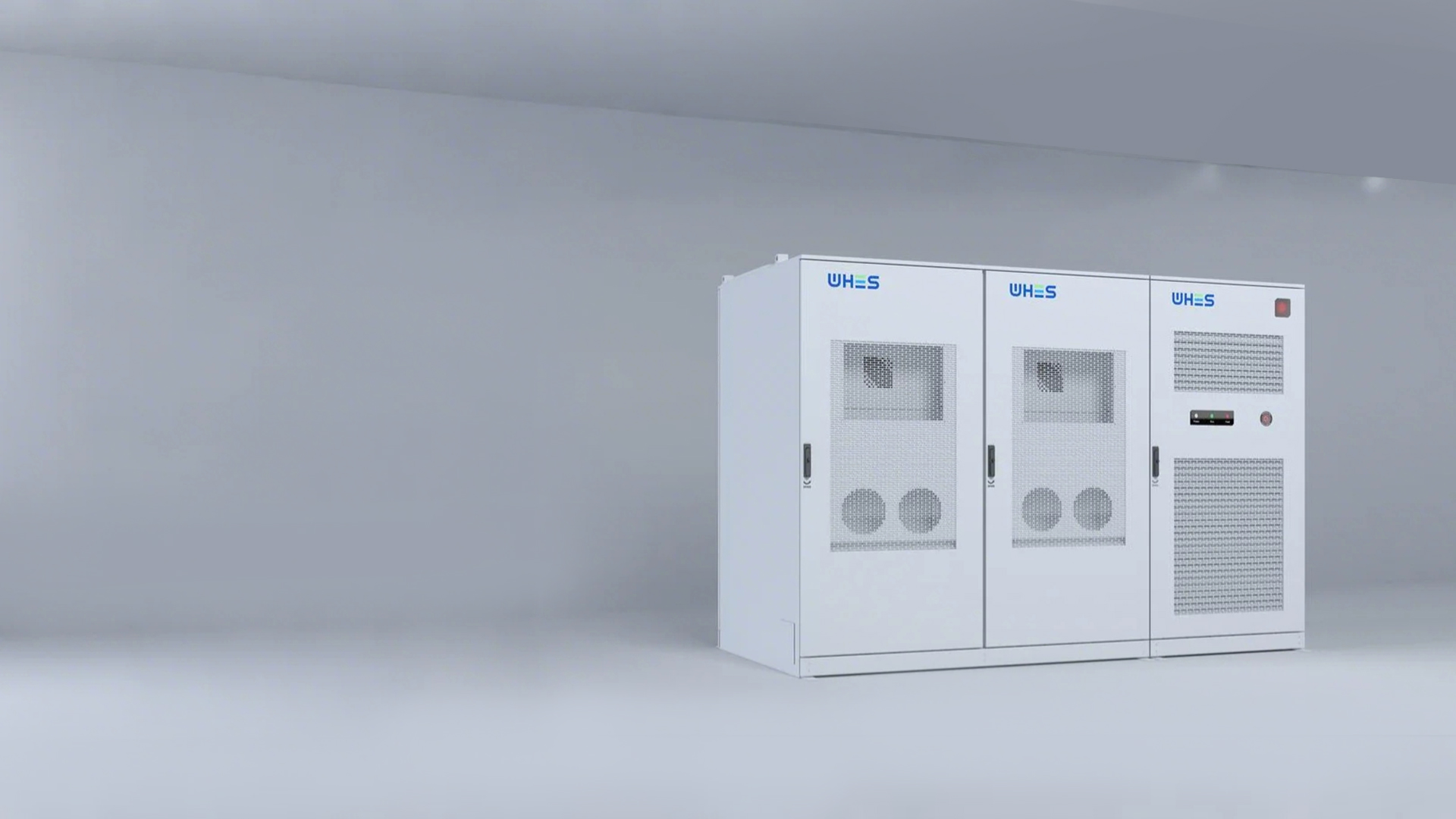
- Commercial-grade microgrid: scaled for neighborhood resiliency, offers redundancy and intelligent load management — necessary for community shelters or critical facilities.
Advisory — three critical metrics to choose by
When selecting among systems, insist on these golden rules:
- Black-start validation: demand documented, witnessed tests showing successful islanding and reconnection under representative loads.
- Control transparency: require access to inverter and BMS logic descriptions (grid-forming behavior, automatic export limits, load-shedding thresholds).
- Lifecycle realism: compare cycle life at your intended DoD, not vendor peak numbers; factor round-trip efficiency into usable capacity calculations.
These metrics align procurement with real performance, not hopeful marketing. — They also shorten commissioning cycles and reduce field surprises.
Final synthesis and why WHES fits the arc
In the grim theater of grid failures, the difference between waiting and acting is engineered into your storage, inverter, and controls. The comparative lens reveals that premium home energy storage systems with grid-forming, black-start-capable inverters and deliberate SoC strategies consistently restore critical functionality faster and more reliably than passive backups. For homeowners and planners who value predictable resilience and documented outcomes, systems engineered to perform under stress are the logical choice, and that practical value is precisely the strength offered by WHES. —