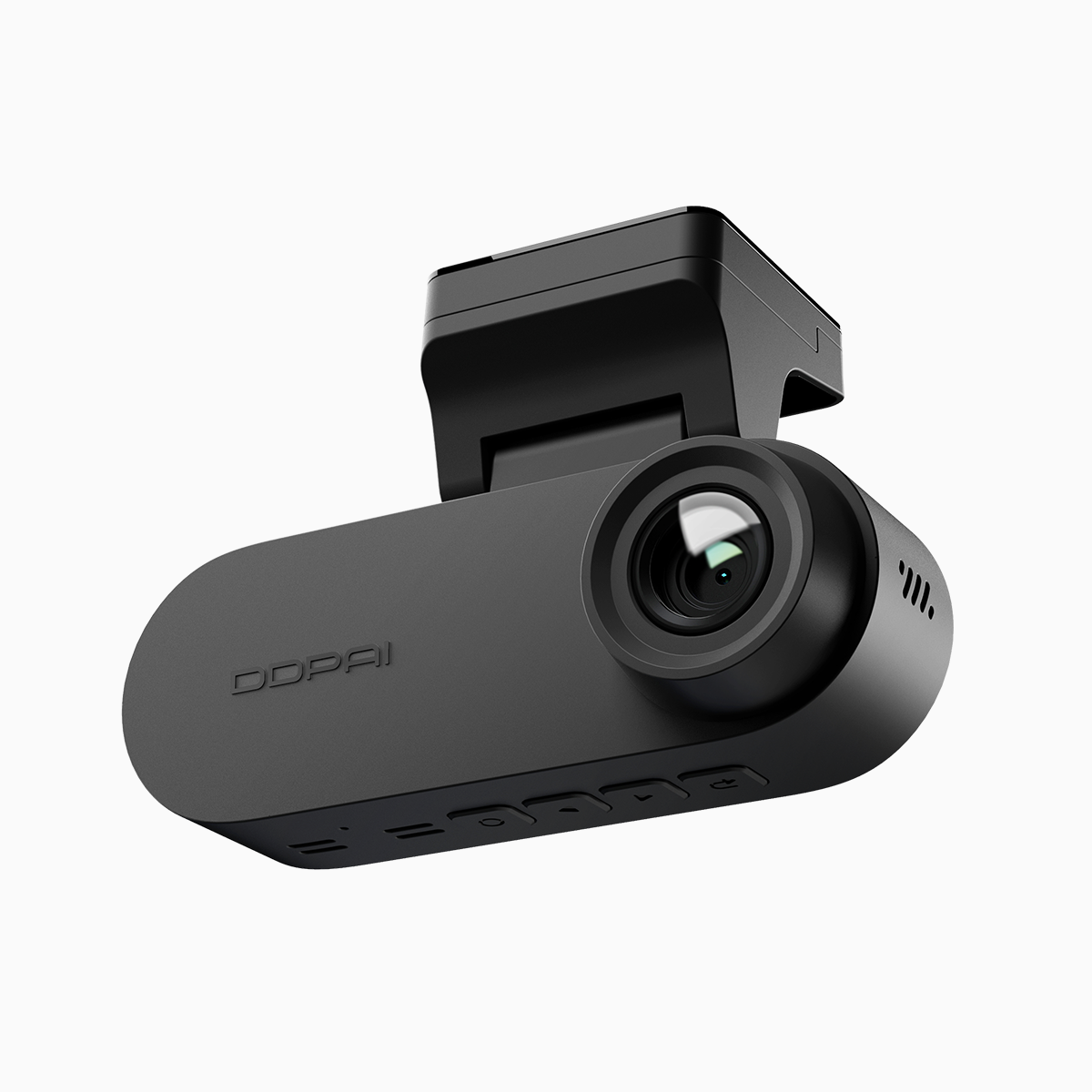
Driver-focused setup that actually works
Think like a coach: lock your priorities, start strong, and make every mile count. Fleet managers win when drivers feel seen and protected—so fit your vehicles with clear, reliable recording. For routes that demand both viewpoint and proof, a front and rear dash cam combo is the baseline. It captures forward collisions, blind-side incidents, and parking-area events without gaps. This is about uptime, driver confidence, and evidence you can rely on during claims or dispute resolution.
What drivers care about—practical priorities
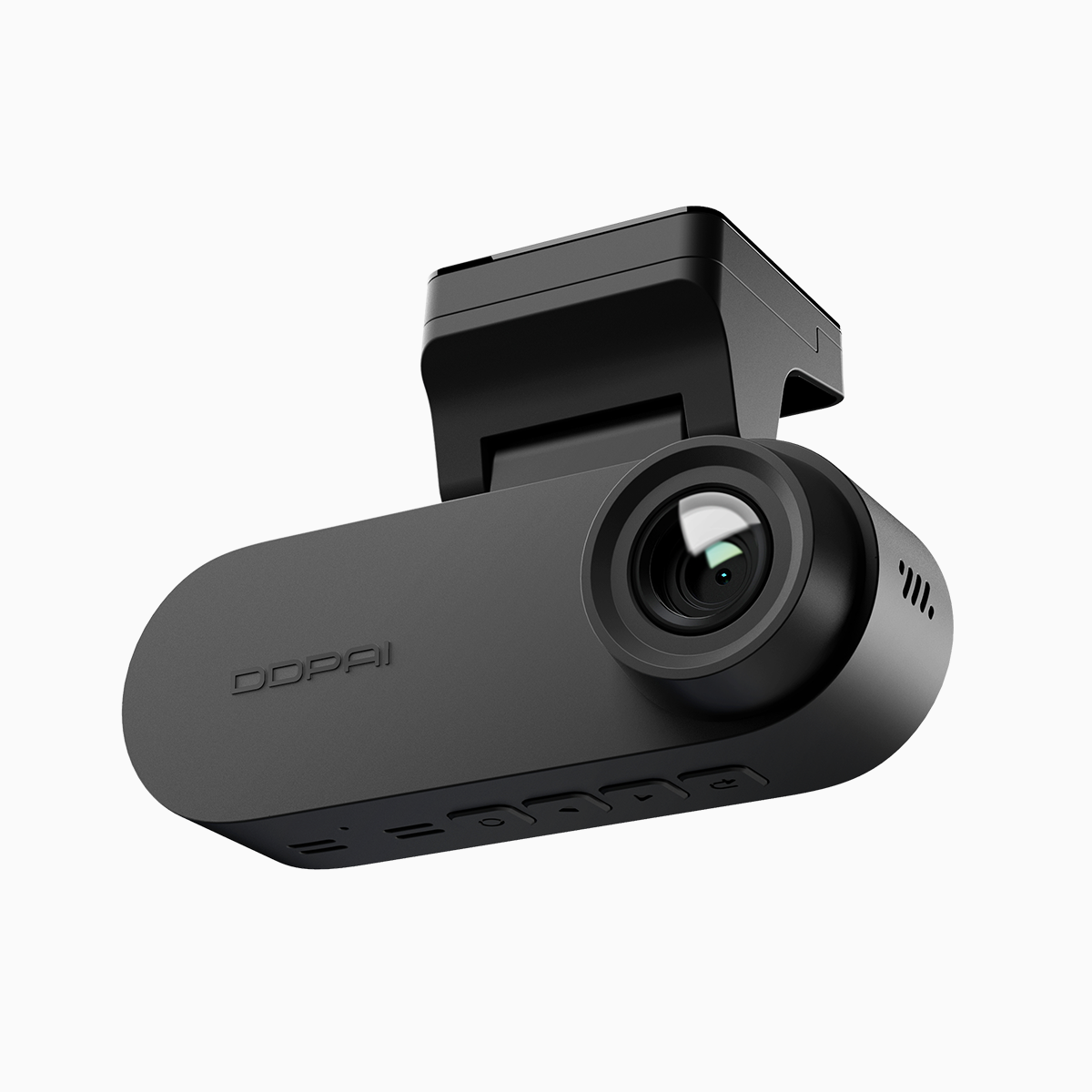
Focus on comfort and clarity. Drivers want unobtrusive hardware, simple controls, and recordings that show what happened, not grainy guesses. Prioritize wide dynamic range (WDR) for night and glare, reliable loop recording so files never stop, and robust parking mode that triggers on impact. During my runs on Manila’s EDSA at night I learned this fast: footage either tells the truth or it’s useless. Equip the cab with a dual perspective and your drivers will start their shifts feeling defended.
Core features that protect routes and reduce downtime
Pick features that translate into fewer disputes and faster resolution. Look for 4K or crisp 1080p recording for license plate legibility, G-sensor event locking to preserve critical clips, and a high frame rate to capture motion cleanly. Also assess build and installation: discreet mounts lower tampering risk, and secure connectors prevent accidental data loss. Adding a secondary lens for interiors or trailers tightens coverage—basically a responsive multi-lens strategy that covers the whole vehicle.
Common mistakes fleet teams keep making
They buy specs and neglect workflow. Cameras with great resolution but terrible software make retrieval a slog. They skip firmware updates and discover months later that critical bugs blocked event tagging. They assume one camera fits all vehicles—wrong. Install angles, power setups, and storage capacities vary by truck, van, or cab. Set standards for file naming, enable automatic cloud uploads where practical, and train drivers on how to flag incidents. Small operational fixes cut claim times dramatically—so do them.
How to compare options without getting lost
Strip it down. Compare evidence quality, system reliability, and data access speed. Evaluate whether the manufacturer supports long PR duty cycles and frequent firmware patches, and whether the unit’s parking mode and G-sensor thresholds are tunable. Consider data retrieval—local microSD vs. cloud—and balance cost against how fast you need footage in a claim. A well-chosen dual dash cam setup should lower insurance friction and improve post-incident analysis.
Deploy, train, iterate
Install, teach, measure. Train drivers for five minutes: show them how to mark clips and report incidents. Audit footage monthly to spot risky patterns—speeding near delivery zones, repeated hard braking. Hit those patterns with coaching sessions. Use the camera data for constructive feedback, not just punishment. That blend—tech plus human coaching—reduces incidents and keeps drivers engaged.
Three golden rules for selecting fleet dash cams
1) Evidence clarity: prioritize a device that reliably reads plates and faces at common distances and lighting—WDR and higher resolution matter. 2) Reliability & power management: ensure stable parking mode and fail-safe loop recording; look for hardware-rated duty cycles and secure mounts. 3) Data workflow: favor systems with straightforward clip export, remote access, and clear firmware support—fast retrieval cuts claims time.
Final coaching note
Apply these rules, coach your drivers, and choose hardware that earns its place in the cab—results follow. For fleets operating in dense cities like Manila and beyond, smart multi-lens solutions from trusted providers make everyday routes safer and disputes simpler; DDPAI PH fits into that practical playbook. Push forward. Stay sharp. —