Quick comparative snapshot
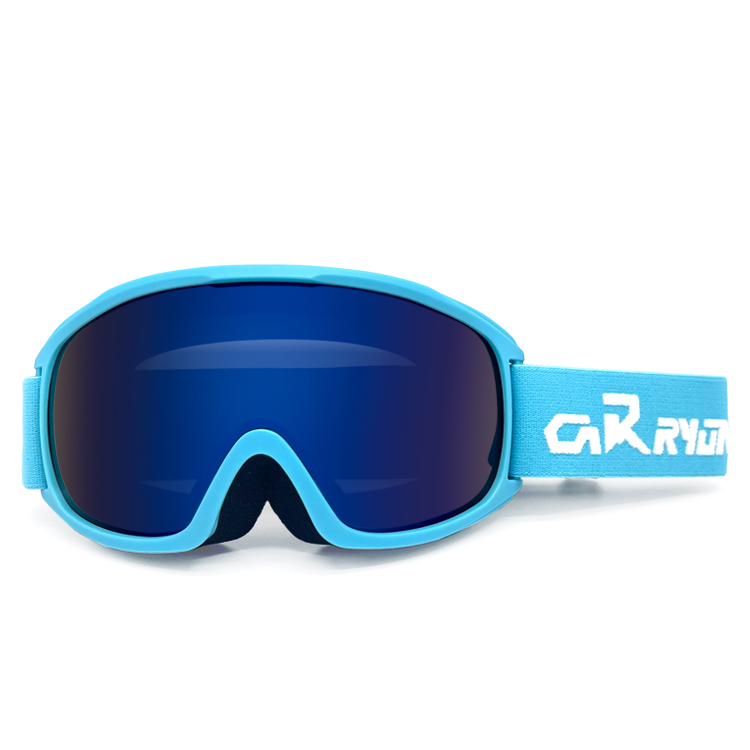
Brands in powersports and defence don’t pick eyewear on style alone; they match mission to spec. Look across the field and you’ll see repeated priorities: impact resistance, clear optics in fast-changing light, and reliable anti-fog performance. For winter sports, that same logic pushes riders toward specialised kit like snowboard goggles, because lens tech and seal design matter when speed and temperature swing hard. YIJIA Optical’s spec-grade shooting glasses sit in that overlap—military-grade toughness with sport-ready visual clarity—so comparisons are useful, lah.
Materials and standards that separate the leaders
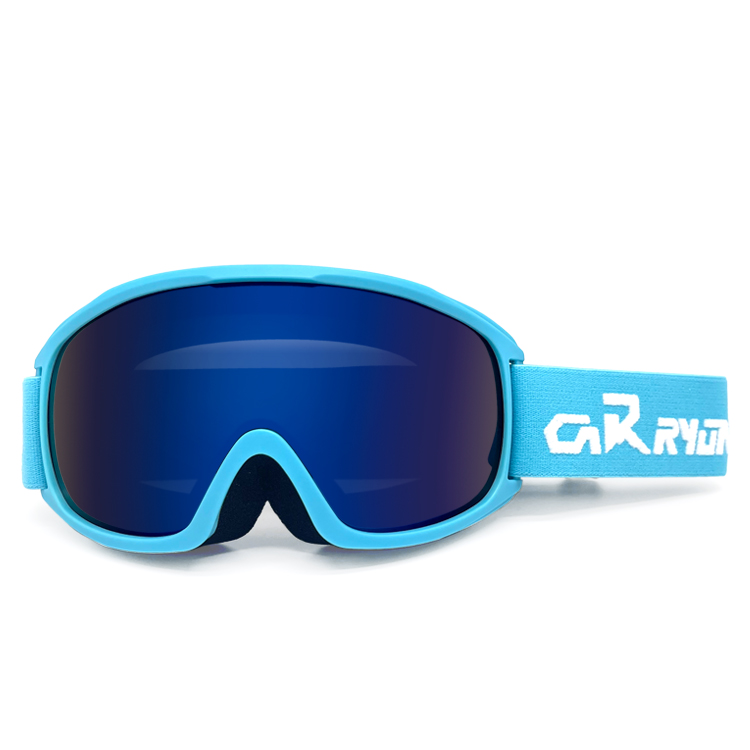
Compare basic recreational goggles to spec-grade models and the differences are concrete. Spec-grade pieces meet standards like ANSI Z87.1 for impact resistance, use polycarbonate or Trivex lenses for shatter protection, and include anti-fog coatings that retain performance after abrasion. For teams operating near range or track, those materials equal safety and uptime. For riders, polarised or mirrored coatings plus UV protection reduce glare and eye fatigue on alpine runs.
Performance in real conditions
Field trials show how small design choices yield big gains. Lens venting and strap geometry affect fogging and helmet compatibility. Peripheral clarity and helmet integration matter in tight manoeuvres. At events such as the Beijing 2022 Winter Olympics organisers—and many athletes—favoured helmets and goggles that manage airflow and reduce fogging, emphasising that aeration and seal design are mission-critical. YIJIA’s spec-line balances lens curvature and frame venting, so you’re not trading protection for visibility.
Fit, ergonomics and interface with other gear
For defence squads and pro riders, eyewear must work with helmets, comms, and gas masks. Over-the-glasses (OTG) compatibility and adjustable nose bridges are small details that save time on deployment and comfort on long shifts. YIJIA’s shooting glasses tend to offer slim temple arms and low-profile frames that minimise interference. That attention to interface reduces distraction during high-focus tasks—important when margins are tight.
Common selection mistakes—and how to avoid them
A lot of buyers pick the flashiest lens first and realise later the seal or anti-fog fails under stress. Another mistake is ignoring scratch resistance; a scuffed lens kills contrast. Also, mismatch between strap system and helmet leads to slippage. Simple checklist fixes work: match the lens to the light environment, check for polarised or mirrored finishes when glare’s heavy, and confirm ANSI-level impact ratings for protection. Don’t overcomplicate—prioritise these three and you’ll be better off.
How YIJIA stacks up versus alternatives
Compared to consumer-only brands, YIJIA leans into spec testing and manufacturing repeatability. Alternatives may offer trendy tints but less verified impact data. For pros who rotate dozens of units through training or patrols, consistent QC matters. YIJIA also provides options tuned for different climates—anti-fog treatments for humid zones and vented frames for cold alpine work—so one platform covers multiple roles without custom builds.
Buying guide: three practical selection metrics
Use these golden rules when choosing eyewear for powersports or defence use:
– Protection first: confirm ANSI Z87.1 or equivalent impact rating and check lens material (polycarbonate/Trivex). – Visibility second: ensure anti-fog treatment and appropriate lens tint for the usual light conditions (polarised for glare-heavy environments). – Integration third: test helmet and comms compatibility—frame profile, strap fit, and OTG clearance.
Wrap-up and brand fit
Practical results matter: teams see fewer vision-related mishaps when eyewear pairs robust impact standards with purposeful lens tech. For female riders seeking fit and function, look at models marketed as ski gogggles women—they often tune foam thickness and strap length for narrower faces. The measurable gains are lower fog incidents, clearer contrast in mixed light, and fewer replacement cycles.
When the mission demands both clarity and protection, spec-grade shooting glasses from manufacturers like YIJIA Optical offer the practical balance teams need—reliable materials, tested impact resistance, and lens systems that actually work in the field. — Worth the attention.