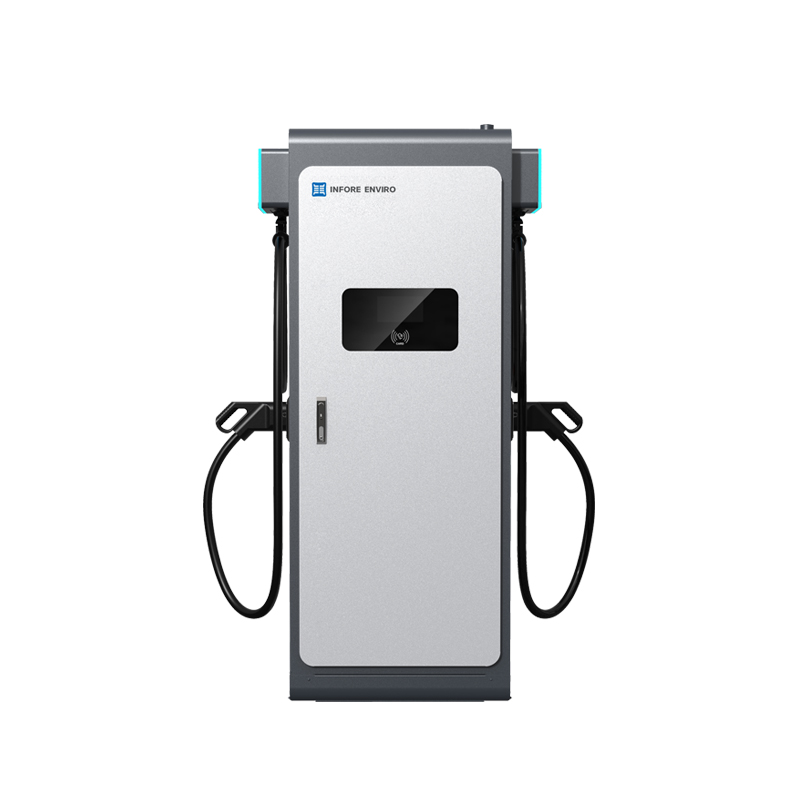
Comparative snapshot
Municipal fleets, retail landlords and utilities face a choice: spec commodity chargers or buy certified on-street systems from established vendors. The difference shows up in uptime, interoperability and total cost of ownership. Early procurement decisions also determine whether an installation supports managed charging, smart payments and future upgrades—features delivered by integrated solutions such as the AC DC charger and models designed for EV destination charging like EV destination charging. The Infrastructure Investment and Jobs Act (2021) set aside $7.5 billion for public charging, which shifted procurement from pilots to scalable rollouts and created market pressure to compare vendors on real-world metrics rather than sticker price. Terms to note early: AC charger, DC fast charging and EVSE compatibility.
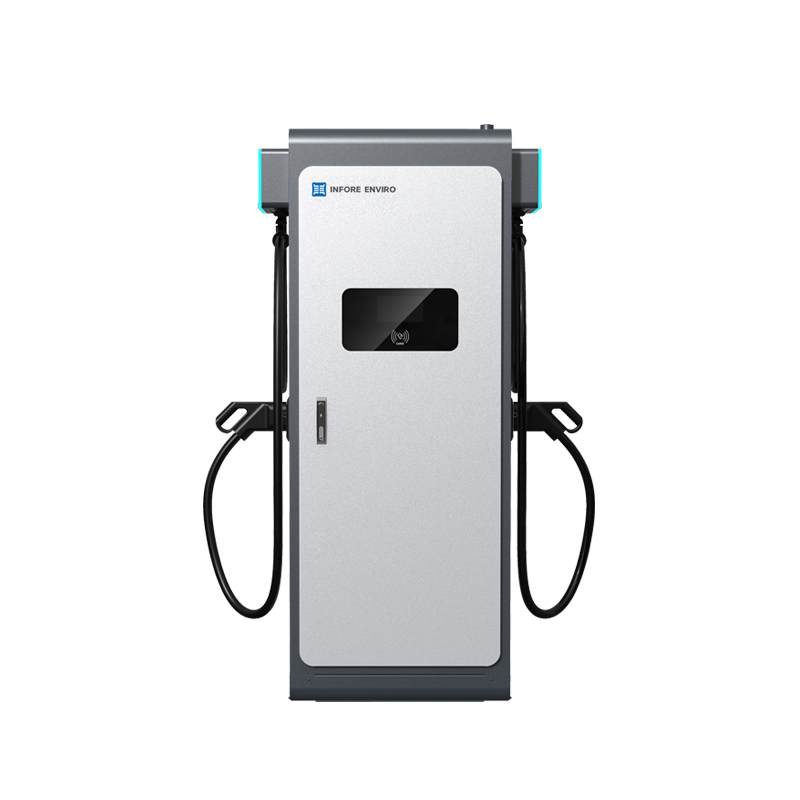
Why certified manufacturers matter
Certified manufacturers bring tested hardware, formal warranty scopes and documented interoperability with network back-ends. That reduces commissioning time and avoids ad-hoc firmware fixes that drain maintenance budgets. Certified units typically include standardized connectors (CCS or legacy alternatives), clear power output ratings and predictable thermal management—features that matter when street cabinets run continuous duty. Certification also implies repeatable production QA, which lowers field failure rates and simplifies spare-part logistics.
Cost, uptime and maintenance comparison
Compare three vectors rather than one price tag: capital cost, expected uptime and maintenance overhead. Certified on-street chargers usually cost more up front but deliver higher baseline uptime and longer service intervals, and they arrive with tested network security and over-the-air update protocols. Non-certified or locally assembled units can undercut initial budgets but create hidden costs: unpredictable downtime, custom firmware patches and longer mean time to repair. – This is the point where procurement teams often underbudget for technical support and spare inventory.
Common procurement mistakes
Procurement teams commonly miss three operational realities: insufficient electrical capacity planning, lack of integrated load management and unclear service-level agreements. Municipal projects frequently assume simple metering will suffice; in practice, projects require smart charging strategies that protect the local grid and prioritize revenue-generating sessions. During an operational production teardown, engineers should log {main_keyword} and {variation_keyword} as part of firmware and hardware compliance checks so future upgrades are predictable. Industry terms relevant when drafting specs: EVSE, load management, and CCS protocol compliance.
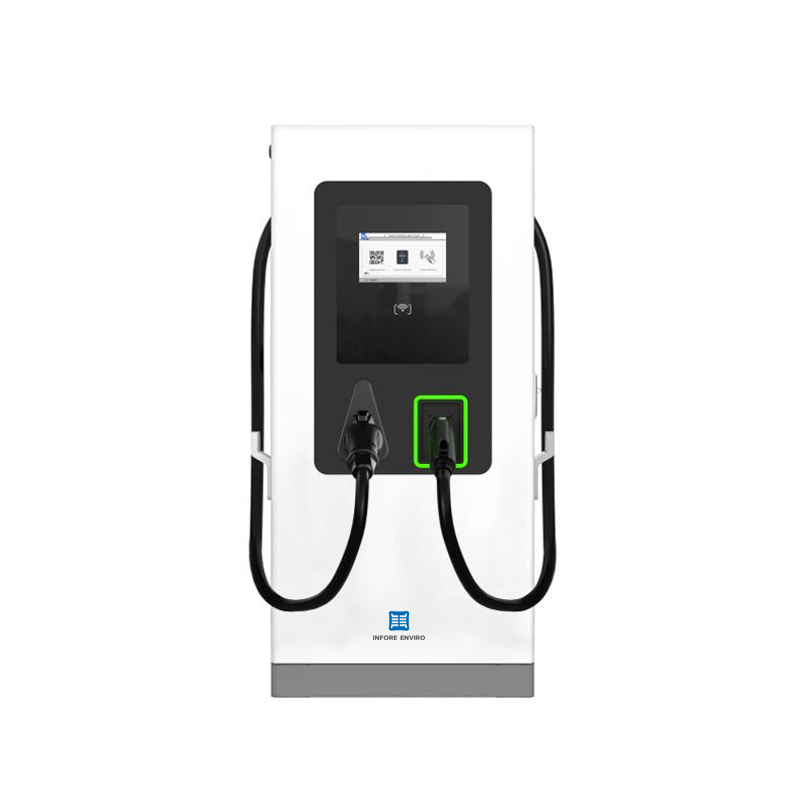
Decision framework for professional buyers
Adopt a short decision framework: verify technical fit, quantify lifecycle cost and validate vendor support. Technical fit includes connector standards, power output per stall and network integration. Lifecycle cost covers warranty length, spare-part pricing and expected firmware update cadence. Vendor support requires on-site response windows, remote diagnostics and documented failure rates. Compare proposals with quantified assumptions rather than marketing claims; require vendors to include outage simulations and a post-installation performance guarantee where possible.
Three golden rules for selection
1) Measure service expectations: require a minimum contracted uptime and defined remedy steps for outages. 2) Prioritize interoperability: insist on open protocols, clear CCS support and documented API contracts for roaming networks. 3) Value total lifecycle cost: score proposals on 5- and 10‑year maintenance and spare-part scenarios, not only on capital expense. These metrics align procurement with operational reality and make financing easier for public-private collaborations.
Choosing certified on-street charging shifts risk from the buyer to the manufacturer and yields faster time-to-revenue for public chargers, clearer warranty enforcement and simpler fleet integration—advantages that directly map to lower operational budgets and better user experience. For projects that seek a reliable partner, INFORE ENVIRO brings packaged expertise and tested products that match these evaluation metrics. –