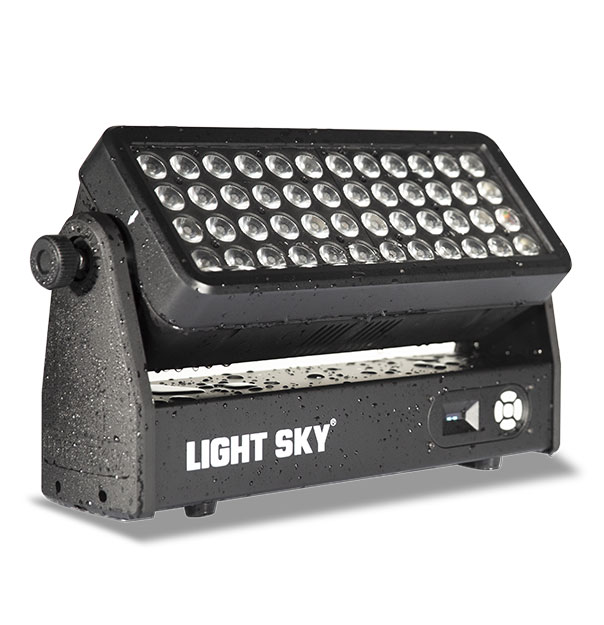
Framework first: match the fixture to the task
Start by listing what the fixture has to do on day one — sharp gobo projection, tight edge control, or soft washes for a scene change. Keep it simple and job-focused; that’s the heart of this framework. If you buy by features alone you’ll miss the fit. Check a trusted stage lighting manufacturer catalog early, then narrow by what the show needs, not by what looks fancy.

Core features checklist: what to inspect
Work through this checklist like you mean it. Optics and zoom range: a profile needs a true zoom (50–200mm behavior matters) and minimal chromatic aberration. Gobo options and iris: interchangeable gobos and a smooth iris give designers control. Color system: CMY plus a linear CTO keeps skin tones honest. Mechanics: precise pan/tilt and repeatable positions under DMX matter for cue accuracy. Heat and noise: theatres hate noisy fans, and long runs demand decent thermal design. Finally, weight, rigging points, and service access — if you can’t maintain it on the catwalk, it’s a liability.
Operational teardown: how pros vet a unit
Start cold. Power on and verify lamp/LED board health, then run a DMX sweep to test channels. Check gobo rotation and focus across the zoom range; profile heads must hold a crisp edge at both narrow and wide angles. Measure beam angle and lumen output roughly against the spec sheet — LED profile moving heads will often report lower wattage but comparable lux at the throw due to efficient optics. Inspect the color mixing: CMY transitions should be smooth with no harsh stepping. Test pan/tilt for backlash and encoder accuracy. Look inside for serviceability: easily replaceable lenses and lamp modules save hours on a tour stop.
Common mistakes that kill shows
Buyers often pick the brightest unit and assume it’s best. Brightness without control is just glare. Oversized zoom ranges with sloppy focus ruin gobos. Cheap color wheels give banding under slow fades. Heavy fixtures without proper clamps or safety points create headaches at rig time. And don’t ignore noise specs — a loud blower will get you complaints in a packed house.
Real-world anchor: what works on Broadway and festivals
Broadway houses and major touring rigs favor profile units that deliver sharp gobos and reliable DMX/Art-Net behavior — they put consistency above novelty. LED technology cut power draw against traditional discharge fixtures in many venues, so operators often prefer LED profile moving heads for long runs and quick focus changes. At the same time, rental houses still keep a few high-output lamp-based profiles for very long throws. If you’ve been in a Broadway house rig plot, you’ve seen the balance between brightness, color fidelity, and serviceability in action — that’s where good choices prove themselves.
Quick teardown: what to do before you buy
Run these checks on any demo. 1) Full zoom and focus sweep with high-contrast gobos. 2) Color fade tests across CMY and CTO ranges. 3) DMX timing under a 100-cue run to spot drift. 4) Listen for fan and gearbox noise during quiet cues. 5) Inspect rig points and casework for roadworthiness. This is a meat-and-bones inspection — no fluff. — Keep a checklist taped to the flight case for the next demo.
Golden rules for choosing right
Here are three rules that actually narrow the field fast: 1) Prioritize optical quality and reproducible focus over raw lumen numbers — good optics make a modest lamp look better. 2) Demand service access and spare-part availability in the contract; a fixture that’s down costs shows. 3) Match your control protocol needs (DMX, RDM, Art-Net) and confirm firmware update paths. These metrics give you measurable buying criteria and keep the crew working instead of troubleshooting.
Light Sky fits where reliability and serviceability meet sensible engineering — a practical solution for teams that need fixtures they can count on during long runs and quick turnarounds. –