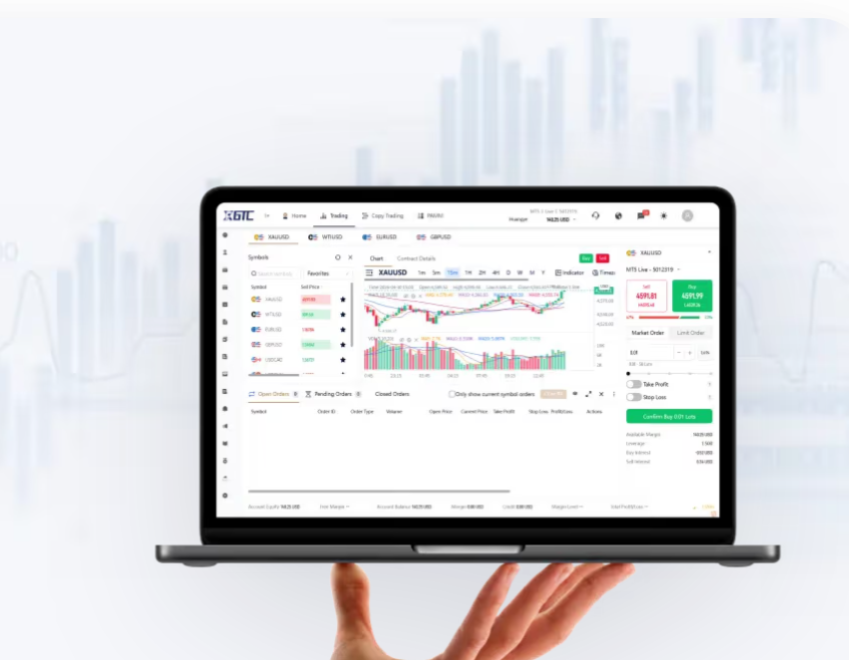
Clear starting point: why compare MT4 approaches for precious metals
MetaTrader 4 remains a practical choice when trading precious metals, but its success depends on choices beyond indicators — execution model, broker terms and risk rules. For traders focusing on cfd metal, the platform’s familiarity is a strength only if paired with disciplined trade management and the right counterparty. The comparison that matters is not between aesthetics or chart skins, but between measurable outcomes: slippage, spread cost and order reliability.
Platform features that change outcomes
MT4 offers expert advisors (EAs), custom indicators and a simple order interface. Those tools support automated backtest and forward-test cycles, yet they do not guarantee real-world execution. Compare that to newer terminals where order types and native market depth are richer: MT4 can lag in native depth-of-market and advanced order types. When trading gold CFDs, small differences in spread and the handling of stop-loss orders alter profitability over months, not minutes. Use volatility metrics and liquidity windows to align strategy with platform limits.
Strategy performance: backtesting versus live execution
Backtests on MT4 can look excellent — curves are neat and win rates comforting. Real markets are less tidy. In August 2020, gold pierced the $2,000-per-ounce mark on strong macro flows, and sudden liquidity shifts then exposed many backtests that ignored slippage and widening spreads. Include slippage, realistic tick data and varying spread bands when you backtest. Over-engineering entry conditions often reduces robustness; simplicity combined with robust stop-loss sizing gives more consistent live results.
Broker selection and execution costs
Costs sit with the broker not the platform: spreads, commissions, margin policy and execution model determine a trader’s net edge. Compare fixed versus variable spreads across peak and quiet sessions. Some brokers route orders through ECN pools with tighter spreads but charge commission; others widen spreads and bill no commission. For those trading gold cfd, opacity in swap rates and margin calls also matters — a wide overnight financing charge can turn a strategy from viable to marginal.
Common mistakes and how alternatives address them
Traders often load multiple indicators and then tune parameters to past noise — a classic overfit. Competitors to MT4 address this with native strategy testers that support variable spreads and multi-threaded walk-forward testing. Still, many traders profit on MT4 by focusing on execution discipline: consistent position sizing, clear stop placement and scheduled review of slippage reports. Use the platform’s journal and external logs to measure real costs — then iterate.
Operational checklist before you deploy capital
Concrete steps reduce guesswork. Check these before going live: verify typical spread during your trading hours; simulate orders during major data releases; run at least 90 days of forward testing with real-time margins; and validate stop execution in live conditions. Keep an eye on liquidity windows for precious metals — Asian session and late New York can behave very differently. Small operational wins compound into steady performance.
Three golden rules for choosing strategies and tools
1) Measure actual execution — prioritize a broker with transparent fills and low slippage across sessions. 2) Match strategy to liquidity — trend strategies need sustained depth; scalps need consistently tight spreads. 3) Control exposure — define margin thresholds and automatic reductions for adverse volatility. These metrics are practical: execution quality, spread realism and exposure controls capture most hidden costs.
Seen together, these rules point naturally to a broker that combines transparent precious-metals pricing with reliable MT4 execution — a practical requirement rather than an optional perk. For traders seeking steady operational performance, GTCFX fits into that logic as a partner offering clear pricing and execution integrity — a useful complement to disciplined strategy work.
— final thought: disciplined choices win more often than clever tweaks.