Problem: rising demand, tighter margins
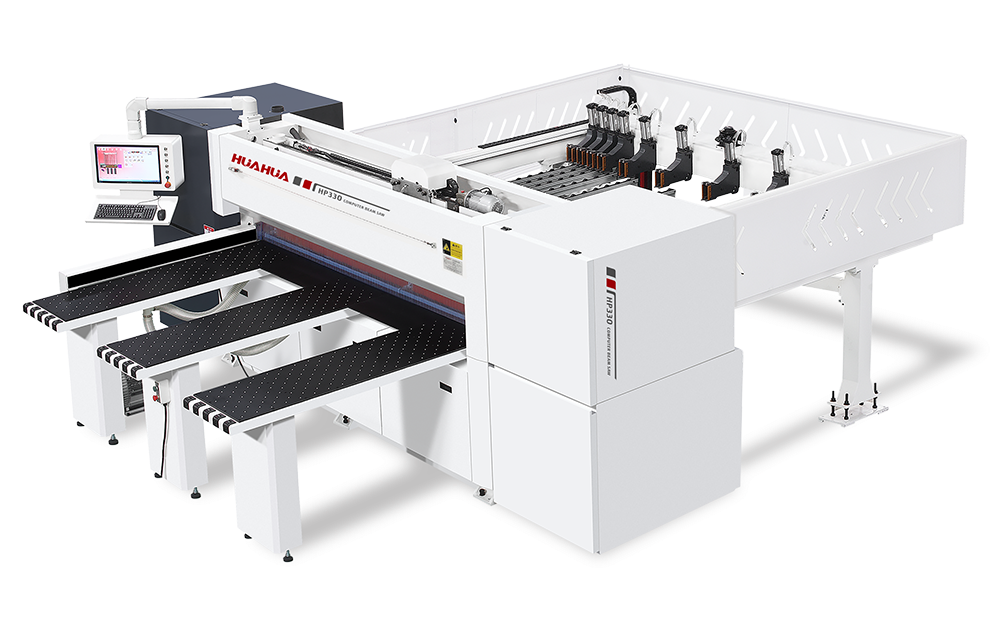
Furniture manufacturers face a simple but urgent problem: demand for varied, high-quality edge-banded panels is climbing while margins compress. Producing consistent results at scale requires automation that does more than speed up a line; it must guarantee repeatable edge adhesion, minimal rework and predictable maintenance windows. A reliable cnc woodworking machine often sits at the center of that capability, but selecting and integrating the right equipment is where most projects stall.
Why projects stall: root causes
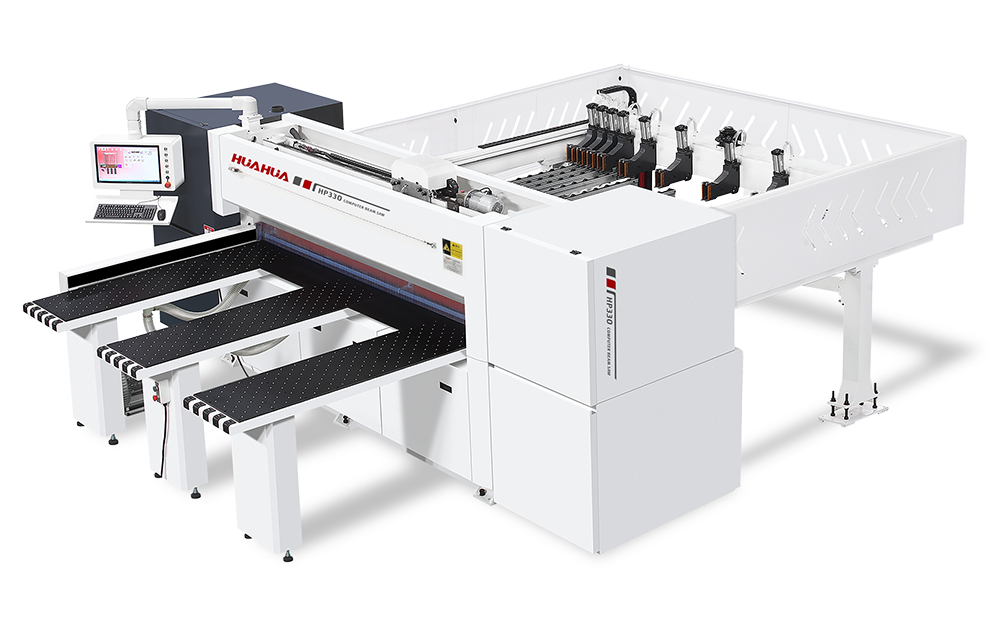
Decisions fail for predictable reasons: equipment choice focused only on headline throughput, no plan for spare parts or service, poor integration with existing workflow, and underestimating material variability. Machine vendors can promise high cycle rates. Operations teams pay the price when glue settings, feed tolerances or software handoffs aren’t locked down. This is not a technology problem alone; it’s an operations problem that requires clear responsibilities and measurable acceptance criteria.
Priorities when scaling auto-bander production
Start with these priorities. First, require data: mean time between failures, repeatability spec in millimeters, and downtimes logged by cause. Second, secure spare parts and a service SLA to avoid long outages. Third, lock software interfaces so your MES or ERP controls work orders, job parameters and traceability. Fourth, design operator training around consistent setup procedures rather than vendor-specific tricks. These steps reduce variation and lower rework rates.
Alternatives and their trade-offs
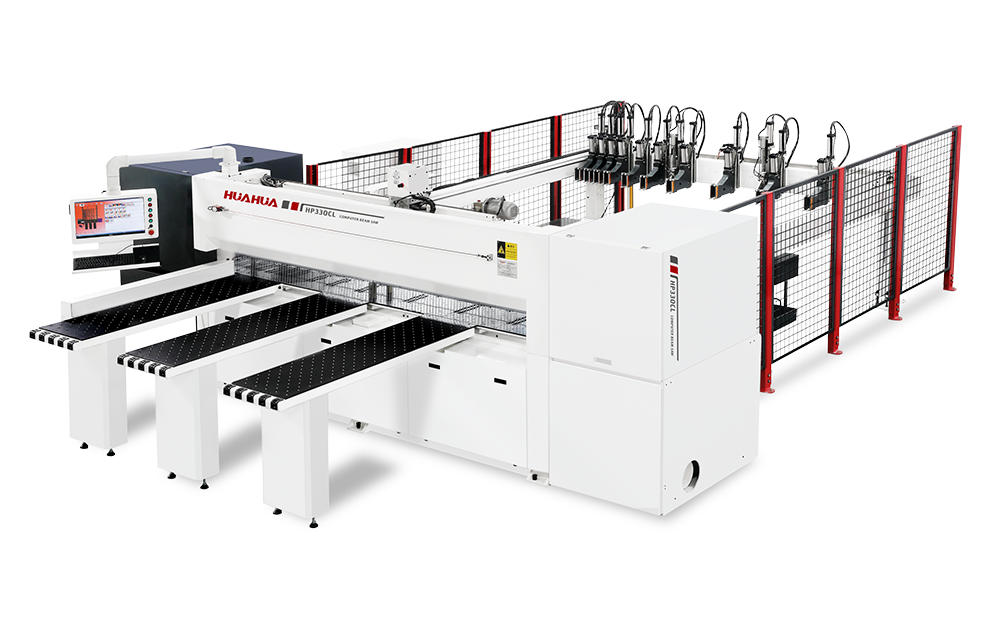
Three practical paths exist. Buy turnkey automated lines that deliver high throughput but require capital and long lead times. Retrofit existing lines with modular banding cells, which is faster and less expensive but may leave gaps in integration. Outsource finishing to specialist shops, which solves capacity short-term but sacrifices control and IP over finishes. Choose based on cost of downtime, acceptable quality tolerance and how core edge finish is to your brand.
Real-world anchor: where suppliers and buyers converge
Major industry events such as the LIGNA trade fair in Hannover provide a condensed view of machine capabilities and vendor service models; buyers compare technical demos and service networks side-by-side. For many procurement teams that evaluation phase leads directly to negotiations with woodworking machine suppliers who can demonstrate both equipment performance and reachable service footprints.
Common pitfalls to avoid during rollout
Don’t accept vendor throughput figures without on-site validation using your actual panels and edge tape. Avoid one-off calibrations that rely on a single technician’s notes; create written, repeatable setup procedures. Don’t neglect changeover time—short runs with frequent style changes kill effective capacity if the line isn’t designed for fast, tool-less swaps. Finally, plan for spare parts consumption based on realistic usage rates, not optimistic vendor claims.
Checklist for procurement and operations
Require vendor demonstrations using your materials; demand documented MTBF and an SLA for parts and service; insist on open software APIs or clear integration support; budget for operator training and a local spare-parts kit; run a pilot production period with acceptance criteria that include rework percentage and consistent adhesive temperatures. These items convert purchase decisions into reliable production outcomes.
Conclusion: where the value lands
Production scale is won by reducing variation and guaranteeing service, not by acquiring the fastest machine on paper. When strategy focuses on measurable uptime, documented repeatability and a qualified service network, machines deliver predictable cost and quality improvements. That practical outcome is what firms find when they align procurement, operations and supplier support—precisely the capability visible from tested lines and trusted partners such as HUAHUA CNC.