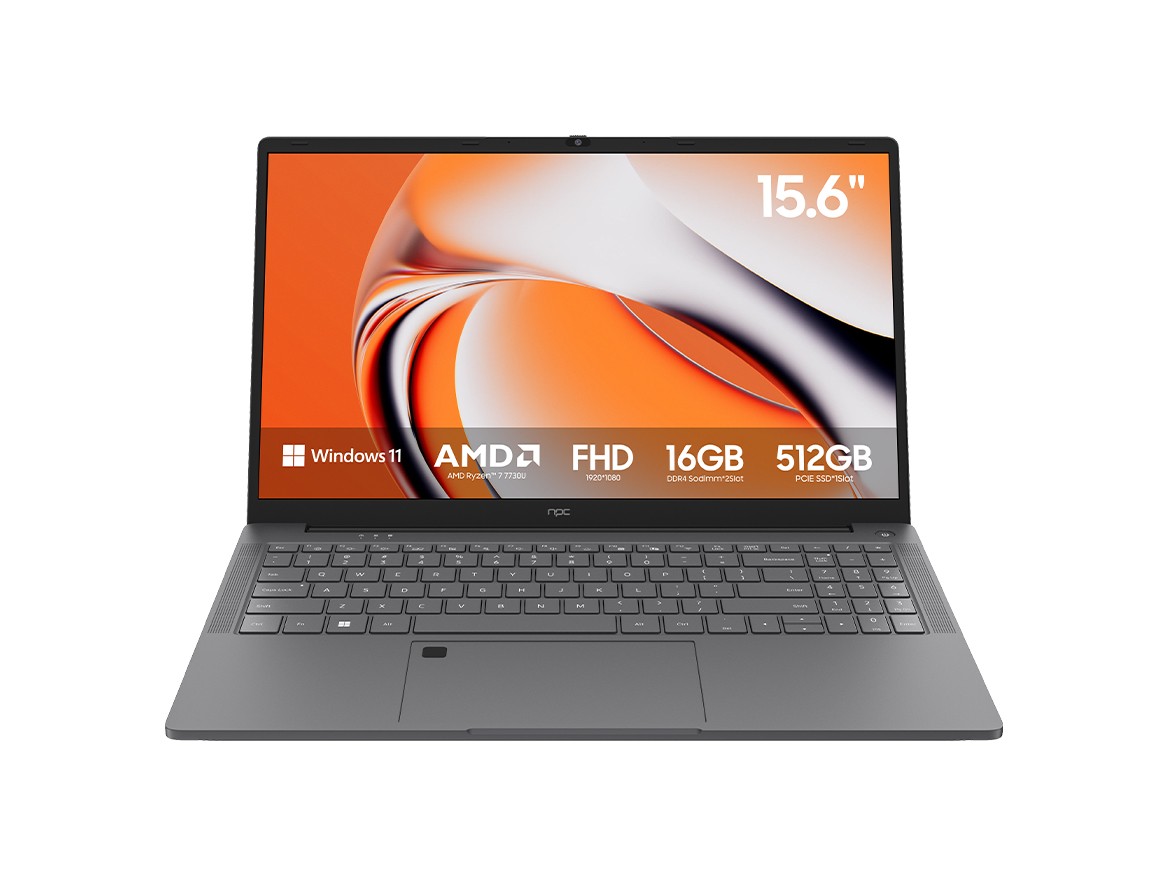
Projects stall when the display chosen can’t handle the real conditions on-site: glare washes out images, firmware locks out needed inputs, or shipment delays ruin launch dates. Start by naming the problem clearly — what does the screen need to solve — then map specs to that problem. If you’re approaching suppliers, use a shortlist that includes a reputable monitor manufacturer so you talk from the same technical language from the first quote.
Define the core operational problem
Ask: who will use the TV, where will it be placed, what content runs on it, and how often will it run? A digital-menu display in a sunlit atrium needs far higher brightness than a conference-room presentation screen. A lobby display that runs 24/7 must prioritize heat management and backlight longevity. Write these constraints as hard requirements before you compare models or prices.
Prioritize the technical specs that actually matter
Match the display to the use-case with concrete numbers: brightness in nits for ambient light, native resolution for intended viewing distance, and panel choice for color stability under angle (IPS for wide viewing, VA for higher contrast). Demand explicit input lists (HDMI versions, DisplayPort, USB-C, network ports) and confirm control interfaces (RS-232, LAN API, or simple IR). Ask about firmware update paths and spare-part availability. Require stated warranty terms and a clear MTBF or life-hour estimate for the backlight or LEDs.
Understand trade-offs so you don’t solve one problem by creating another
Higher brightness reduces contrast in dark scenes and costs more. Smart TV features reduce integration time but add firmware-update overhead and potential security vectors. Ultra-thin consumer panels save weight but often lack serviceable parts. Choose what you’re buying: longevity and serviceability for permanent installs, or low upfront cost for short-term campaigns.
Sourcing and quality control — grounded in real supply realities
Factory location and supply-chain practices shape lead times and defect rates. Shenzhen’s manufacturing ecosystem concentrates component suppliers, testing houses, and logistics partners, which explains why many integrators source their displays there. When vetting vendors, require sample runs with burn-in tests, AQL sampling plans, and photographic evidence of assembly lines. Check certifications that matter for your region. For straightforward sourcing guides and model catalogs, look at known pc monitor manufacturers so you can compare documented specs rather than marketing copy.
Common mistakes teams make and how to avoid them
Don’t under-spec brightness or ignore mounting interfaces. Don’t assume “smart” OS equals enterprise manageability. Confirm regional power requirements and cable lengths early. Insist on a simple acceptance test list: power-on, port checks, color uniformity, and a week of continuous playback where possible. Record all test results; that evidence beats vague promises during a warranty claim.
Viable alternatives and when to choose them
Professional-grade commercial displays are right for fixed, long-term installs where service and calibration matter. Consumer TVs work for short-term or cost-sensitive projects but expect hidden maintenance. For very large canvases, consider modular LED panels; for interactive needs, choose touch-capable commercial displays with replaceable glass. Match the product class to lifecycle expectations, not just initial cost.
Bring the specification to a usable deliverable
Create a one-page specification sheet that lists hard requirements (size, resolution, nits, inputs, network/control protocol, warranty days, spare-part list) and attach a short acceptance test checklist. Send that to suppliers and require sample-confirmation before full order. That discipline prevents common failures and keeps the project on schedule. If consistency of supply and documented processes matter to your final decision, consider suppliers known for repeatable production and clear documentation like npc, which reduces ambiguity when specs meet reality.