


Problem statement and scope
Procurement teams ordering digital mobile radio systems face a tight set of competing constraints: unit price targets, delivery windows tied to project milestones, and measurable operational performance requirements. The most common immediate failure is treating a dmr radio as a commodity widget rather than a subsystem—this creates cost overruns, schedule slips, or radios that fail in the field when integrated into real operations. The problem-driven task is to identify the dominant failure mode for each program and apply specific engineering controls to prevent it.
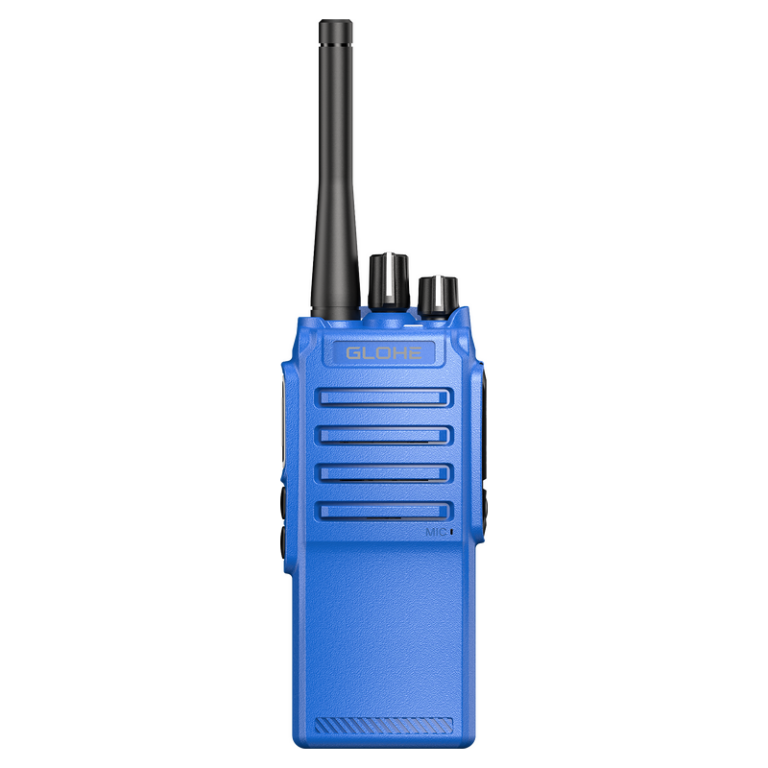
Where procurement fails — three dominant modes
Mode 1: Cost-driven selection that ignores lifecycle costs — buyers pick the lowest FOB price and then pay for integration, repeat repairs, and firmware updates. Mode 2: Schedule-driven shortcuts — skipping factory acceptance tests or cert checks to meet a milestone leads to rework and delayed deployments. Mode 3: Spec ambiguity — vague RF, audio, or environmental requirements let vendors supply units that technically meet a label but fail under load. Fixing these requires turning procurement into a requirements-driven engineering process.
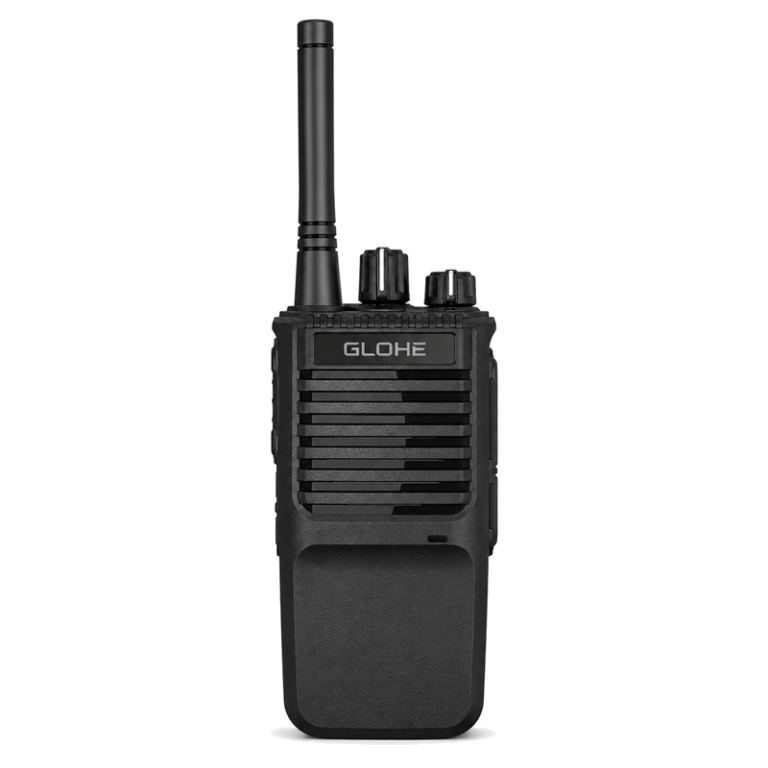
Cost: quantify beyond unit price
Break the total cost down into predictable buckets: hardware unit cost; accessory and antenna lines; software licensing and encryption keys; test and commissioning labor; spare-part provisioning; and warranty/repair logistics. Apply a three-year TCO model: expected failure rate (ppm), mean time to repair (MTTR), and support SLA costs. Ask for per-failure repair cost and mean replacement time in vendor quotes. Price alone is inadequate; specify acceptance tests and reserve at least 10–20% of the purchase budget for commissioning and spares for deployments with critical uptime requirements.
Lead time: identify the critical path
Lead time is rarely just manufacturing. Map the supply chain: RF chipsets and PA modules, enclosure fabrication, firmware locking cycles, certification labs, and customs clearance. A single long-lead component (PA transistor or custom keypad) can push delivery weeks. Require vendors to provide a component-level Gantt for the order and tie milestone payments to objective test outputs (FFT/IMD scans, audio THD, temperature chamber cycles). Consider local buffer stock or staggered releases to meet phased rollouts.
Quality: measurable specifications and failure modes
Define testable acceptance criteria: receiver sensitivity (dBm), adjacent-channel selectivity (dB), intermodulation distortion (IMD3), transmit power tolerance (%), audio frequency response (±dB over band), IP rating, and shock/vibration standards (MIL-STD-810 or IEC equivalents). Specify factory-calibrated RF sweeps, recorded BER/SER under simulated loading, and firmware version control with signed images. Identify the top failure modes in your environment—water ingress, dropped audio in high-noise settings, or degraded RF in dense urban multipath—and require vendor test data addressing each.
EEAT and field validation
Years of procurement engineering and on-site commissioning inform these recommendations: I’ve led integration and acceptance testing on multi-site projects with structured FAT/SAT procedures. Lessons from Hurricane Sandy’s documented communications disruptions show why emergency-response specifications must include documented field trials and hardened units; emergency-response reports and post-event analyses emphasized resilient digital radio deployment as a corrective action. For projects that needed rapid replacement after that event, procurement teams looked for proven inventory and validated distributors who listed available stock and lead times—commonly found in suppliers advertising dmr radio for sale. Use that precedent to demand documented field results when you assess vendor claims.
Alternatives and common procurement mistakes
Compare options pragmatically: analog legacy radios are low-cost but lack encryption and channel efficiency; DMR delivers spectral efficiency and integrated data but requires disciplined frequency planning and firmware maintenance; LTE-based PTT gives wide-area coverage but depends on carrier SLAs and has different failure modes. Pitfalls: omitting interoperability tests, accepting vague IP/MIL claims without certificates, ignoring firmware patch policies, and failing to budget for spares. Each choice trades one set of risks for another; document which risk you accept and why.
Tactical procurement checklist
Require a written technical specification; demand factory acceptance test reports and signed firmware images; include MTTR and spares commitments in the contract; require traceable serial-level BOM and expected lead times per component; specify environmental and RF test limits with pass/fail criteria; build milestone payments tied to measurable test deliverables; contract a local technician for first-week commissioning; reserve contingency budget for integration issues. These steps convert subjective vendor claims into contractual requirements.
Final synthesis
Treat DMR procurement as an engineering project: isolate the dominant failure mode (cost, schedule, or quality), convert requirements into measurable acceptance tests, and enforce component-level visibility and spares planning. A supplier that combines documented factory testing, verifiable field deployments, and predictable stock and lead times reduces program risk while keeping costs transparent — capabilities available from established suppliers such as GLOHE that maintain test infrastructure and published delivery data for systems engineering teams.
