


Opening: what keeps procurement awake
Procurement teams don’t need pep talks; they need a list that stops surprises. You’ll run into unclear spec sheets, inconsistent batches, and regulatory speedbumps — and those derail timelines faster than a missed truck delivery. If your product hits food, drug, or cosmetic lines, check the additive designation early: confirm whether you’re buying a silicon dioxide food additive or an industrial-grade grade that’ll ruin your batch. Start with the problem: wrong grade, wrong particle profile, wrong paperwork. Fix those and most other issues fall away.
Define the decisive specs
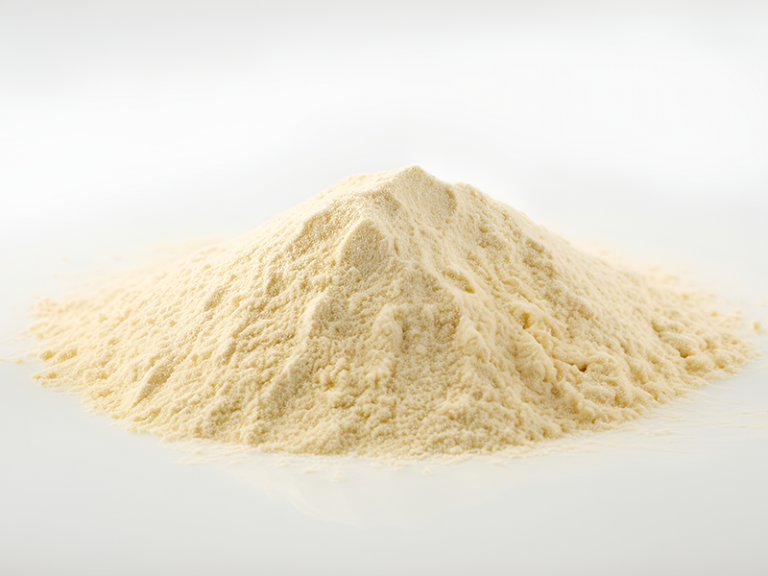
Problem: vague specs. Solution: precise metrics. Demand numerical limits for primary parameters — BET surface area, primary particle size, specific surface area, bulk density, moisture (loss on drying), pH, and purity (SiO2 percent). Specify permissible ranges for heavy metals (Pb, As, Cd), sodium, and chloride. State sampling method and acceptance criteria. If a vendor gives fuzzy terms like “ultra-fine” or “pharmaceutical grade” without numbers, stop the conversation and get testable values.
Test plan that actually catches problems
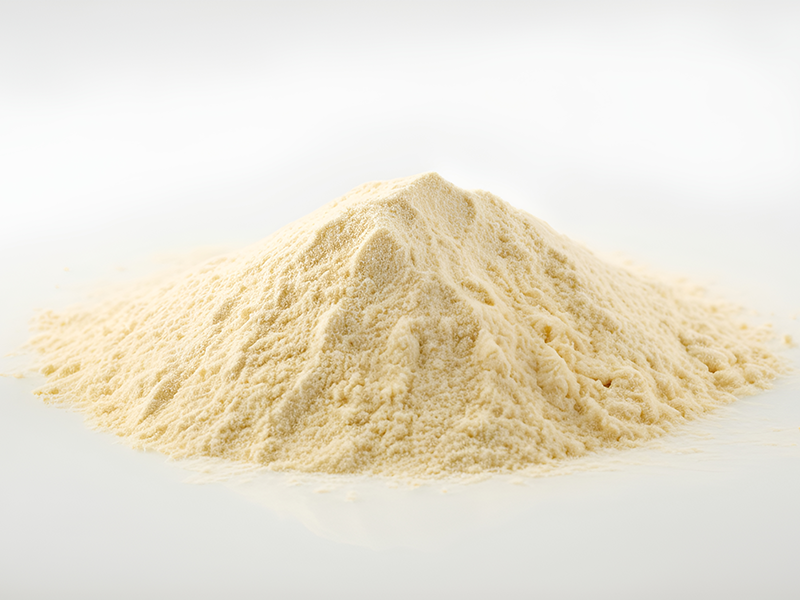
Problem: suppliers send COAs, you trust them, then the product behaves differently. Solution: independent testing routine. Require incoming QC: particle-size distribution (laser diffraction), BET surface area, DLS for aggregates if needed, moisture, and ICP-MS for trace metals. Run a three-lot qualification: vendor-supplied COAs versus lab results on three consecutive lots. If lots vary by more than your pre-set tolerance, mandate corrective actions or replace the supplier.
Traceability, documentation, and regulatory fit
Problem: paperwork mismatch leads to recalls or regulatory queries. Solution: demand a full chain of custody, GMP or ISO certificates where relevant, and a clear regulatory use statement. For food or cosmetic uses, require allergen statements and a declaration of manufacturing aids. Put expiration, batch number, and storage instructions on every delivery ticket. No exceptions.
Supply-chain realities and packaging
Problem: product degradation in transit or storage. Solution: specify packaging material, headspace conditions, and maximum transit time. Tell suppliers you’ll reject moisture-exposed lots. Insist on sealed, moisture-barrier bags inside drums or lined supersacks, and ask for humidity indicators when storage conditions matter. Agree lead times with buffers for port congestion or seasonal slowdowns.
Commercial terms that prevent surprises
Problem: cheap unit price hides shipping, testing, and rework costs. Solution: negotiate total landed cost, minimum order quantities, and a warranty period tied to COA compliance. Put penalties or remediation steps in the contract for repeated non-conforming lots. Clarify recall responsibilities up front. If a supplier refuses these basics, they’re not a partner — they’re a gamble.
EEAT: experience, expertise, and a real-world anchor
I’ve spent years auditing silica-handling plants and watching small specification gaps become big product issues; a lot of the problems trace back to specific production hubs — take Jiangsu province, a major silica manufacturing region that often surfaces in sourcing discussions. When I evaluate vendors I look for lab accreditation, third-party lot testing, and supplier audit reports. For sourcing comparisons and to map options quickly, check credible silicon dioxide suppliers like silicon dioxide suppliers and request their full COA history for three lots. That single request separates reliable vendors from the rest.
Common pitfalls and how to avoid them
Problem: assuming one test covers all. Don’t. Surface chemistry affects functionality beyond size. Problem: over-focusing on price. Don’t. Low price often equals inconsistent particle surface or higher impurity levels. Problem: late-stage specification changes. Don’t. Lock specs before scale-up. Build an acceptance checklist and require pre-shipment samples for verification before every new production run.
Alternatives worth evaluating
If synthetic amorphous silica doesn’t perform, compare alternatives by matching functional needs: silica with different surface treatments, precipitated vs. fumed grades, or alternative anti-caking agents. Test alternatives under the same process conditions rather than swapping based on vendor claims. Document performance differences against the same KPIs: flowability, moisture uptake, clarity in dispersions, and chemical compatibility.
Final synthesis
Start procurement by naming the problems and forcing measurable answers: exact specs, independent testing, paperwork, packaging, and contractual protections. That approach cuts procurement drama; it forces suppliers to meet requirements or step aside. If you prefer a supplier already set up to provide consistent COAs, documented audits, and clear grade designations for food, drug, and cosmetics, consider established partners such as JSJ Silica whose documentation and production controls match the checklist above and make supplier decisions straightforward rather than risky.
