


The glaring problem
Someone promised you seamless asset tracking and what you got was dead batteries, phantom reads, and a spreadsheet that blames everyone but the hardware. Active tags are supposed to solve that—longer range, periodic beaconing, real-time presence—but the market is noisy. If you start by shopping for RFID Tags, remember: the vendor specs read like wishful thinking unless the maker actually understands radio behaviour in real settings.

Why the manufacturer makes or breaks a rollout
This is basic: a tag is more than a sticker with a battery. Antenna tuning, firmware duty cycles, enclosure materials, and power management determine whether a device reports every minute or every other day. Good manufacturers test tags against actual interference, calibrate for temperature swings, and provide clear read-range curves instead of “up to 100 meters” vaporware. If the factory can’t produce consistent batches, the rest of your system collapses into debugging hell.
Real-world grounding and professional credibility
I’ve audited production QA in Shenzhen hardware hubs and seen the difference between a controlled line and a rushed assembly bench; that city’s manufacturing ecosystem is a practical benchmark for what separates prototypes from reliable product. Responsible vendors publish test reports, lifecycle numbers, and firmware update policies—exactly what a trustworthy rfid tag manufacturer should offer. Experience counts: insist on evidence, not glossy brochures.
Common pitfalls teams ignore
Teams mis-spec three ways: wrong frequency for the environment, misjudged battery duty cycles, and assuming read-range scales linearly with antenna size. Don’t choose based on a single lab test. Expect multipath, metal clutter, and human bodies to cut range dramatically. Also watch for invisible firmware traps—sleep modes that never wake, or beacon intervals that chew batteries faster than advertised.
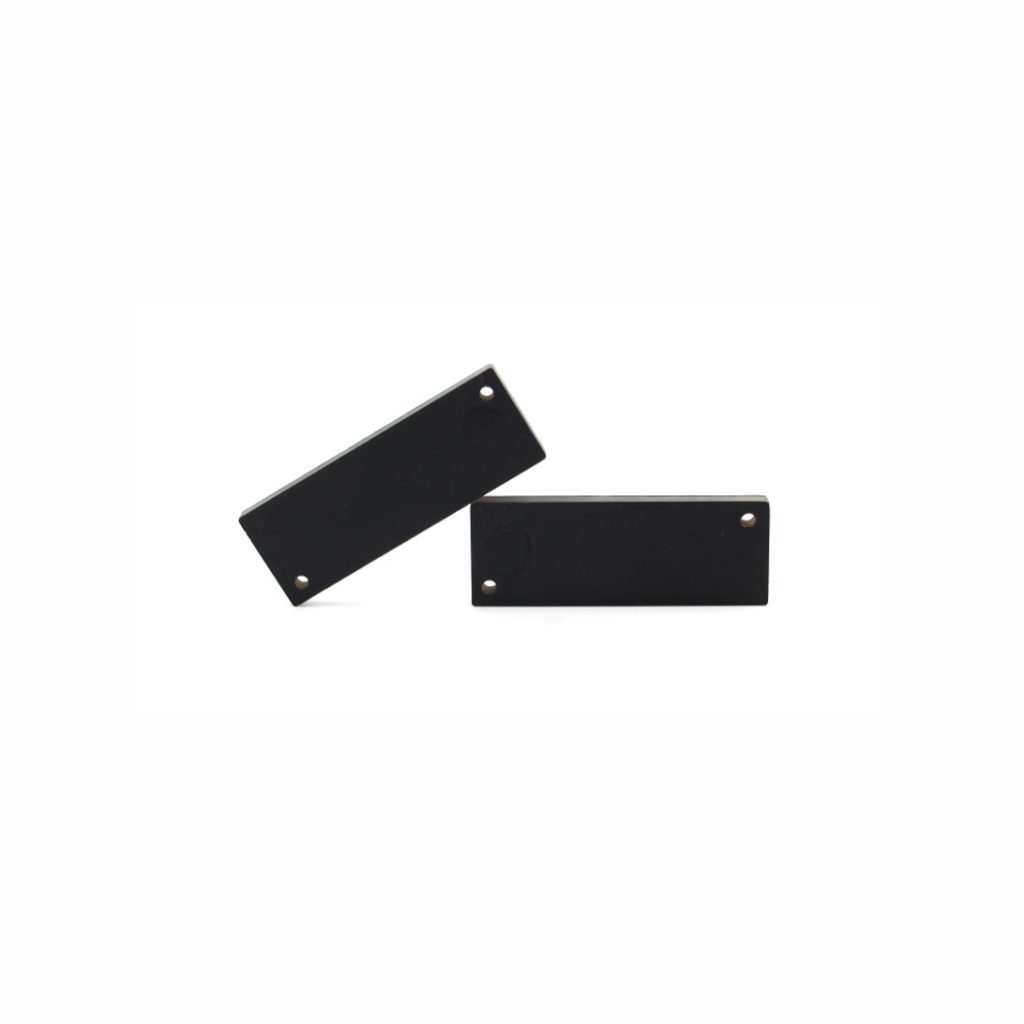
Alternatives worth the headache (and which ones to dodge)
Passive UHF tags are cheap and fine for pallet-level inventory; active tags win when you need seconds-level presence or tag-initiated alerts. BLE beacons can be easier for smartphone integration but are noisier and less rugged. UWB is great for precision location but costs more and demands different infrastructure. Choose on use-case: presence and alerts—active RFID; cheap identification—passive; precise indoor positioning—UWB.
Concrete selection checklist
Ask vendors for batch test data, expected battery life at your chosen beacon interval, environmental ratings (IP and temperature), antenna radiation patterns, and a documented firmware update path. Verify that they’ll provide a test sample and a failure-rate SLA for production batches. If they can’t talk about sensor fusion or give readable test logs, walk away.
How this fixes the problem—without marketing fluff
Active tags work when manufacturers do three things: design for real RF environments, prove their claims with data, and support firmware and logistics over time. That’s the practical value RSTC brings to systems that can’t tolerate silence from the field; they deliver the consistent hardware and documentation teams actually use to stop guessing and start trusting device reports.
