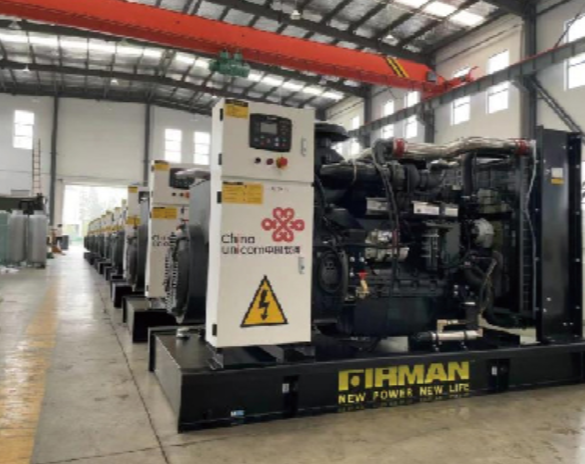
Policy Pressure Meets Practical Installation
Regulators have kindly decided that carbon reduction must be enforced, and that decision ripples straight down to the shop floor — affecting the humble alternator. The Paris Agreement’s 2015 commitments and follow-on national 2030 targets have nudged facility managers toward cleaner prime movers and tighter emissions monitoring; the result is altered specifications for a generation asset that used to be judged mostly on horsepower and headline watts. For projects that once budgeted around a standard unit, many teams now examine hybrid systems and a 25kva generator as a comparative option when sizing redundancy and load growth.
Policy Pressures and Practical Consequences
Mandates push two simultaneous outcomes: lower permissible onsite emissions and faster adoption of electrified or low-carbon fuels. That means alternator selection shifts from pure electrical output toward integration capability. Engineers must now consider control interfaces, emissions sensor compatibility, and fuel flexibility alongside traditional concerns like standby rating and load factor. Vendors offering telemetry-ready generator sets gain favor because compliance reporting has become part of routine operation — and nobody minds an alternator that can talk when regulators ask for proof.
Operational Production Teardown
When you take a production teardown approach, be specific and uncompromising: list the exact system responsibilities and test parameters. For deployments where a 25kva generator is the baseline, verify alternator coupling, thermal cycling, and harmonic performance. For units intended for harsh environments, inspect the IP rating and corrosion treatments; confirm whether the unit qualifies as a waterproof alternator and meets marine generator durability expectations. Include these checkpoints in the teardown:
- Mechanical: shaft alignment, coupling tolerances, and vibration signature under prime mover changeover.
- Electrical: excitation stability, harmonic distortion under non-linear loads, and surge protection.
- Compliance testing: emissions logging cadence, remote telemetry validation, and endurance runs at rated load.
A teardown that ignores these produces neat drawings and an annoyed commissioning team — and regrettably, a non-compliant asset.
Design Choices Under Mandates
Design trade-offs now favor adaptability. Hybrid architectures — batteries paired with a generator set — can trim running hours and emissions reporting, while staged load management reduces peak engine stress. If you specify a smaller alternator with a higher-quality control system, you often get better lifecycle emissions than a larger, less intelligent unit. This is not a compromise so much as a polite reallocation of ingenuity toward software and controls rather than raw metal.
Common Mistakes and Quick Corrections
Teams sometimes return to habit: oversizing strictly for margin, choosing cheapest components, or omitting telemetry. Correct these errors by standardizing three actions: perform measured load profiles before sizing, require emissions-ready controls, and mandate field verifications for IP and thermal performance. — Those three steps save time and regulatory headaches later.
Choosing Brands and Long-Term Compliance
Vendors differ not just by watt rating but by how they support lifecycle compliance. Evaluate how a supplier handles firmware updates, remote data custody, spare-part availability, and on-site testing. For durable installations, consider providers who offer documented endurance runs and client references in similar regulatory regimes; real deployments in EU industrial parks or port terminals offer the best reassurance.
Three Golden Rules for Selection
Measure, verify, and future-proof. Concretely:
- Metric 1 — Verification capability: Ensure continuous emissions monitoring and remote reporting interfaces are native, not bolted-on.
- Metric 2 — Operational resilience: Confirm the alternator and generator set have tested thermal and IP ratings for the intended environment; request endurance data at specified load cycles.
- Metric 3 — Lifecycle support: Choose brands with documented spare-part availability and firmware maintenance plans tied to compliance windows.
These three rules reduce surprise costs and keep assets aligned with decarbonization timelines.
Effective deployment now demands a mix of mechanical prudence and regulatory foresight, which is why practitioners turn to partners who deliver both — and why a supplier with tested solutions and responsive support becomes the obvious choice, as seen in many compliant installations across Europe. EvoTec. — practical, dependable.