


Spot the real problem
Projects derail when planners assume procurement is a checkbox instead of a partner; specs arrive late, vendors get rushed, and production suffers. That mismatch shows up as last-minute changes to rotor sizes, unclear shear ratings, or incorrect materials of construction, all of which kill lead time and budgets. When engineers mention an inline high shear mixer in passing without a test plan, the risk is already baked into the schedule.
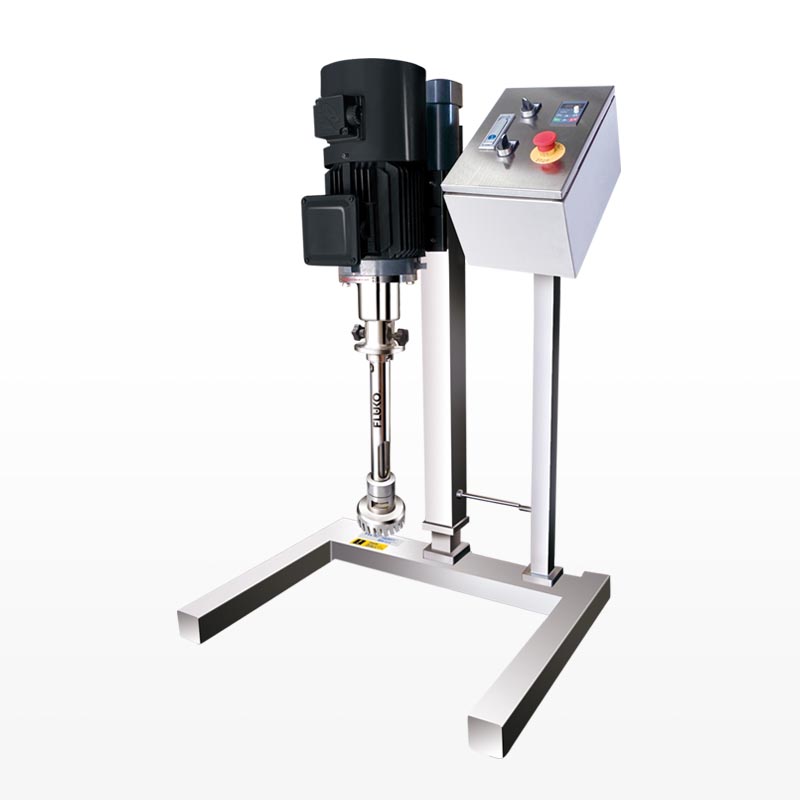
Why the gap persists (problem-driven view)
People treat planning and purchasing as separate tasks. Procurement chases lowest cost; engineering chases performance; project managers chase dates. That separation creates three common failures: specs that don’t reflect operational reality, purchase orders that lack acceptance criteria, and delivery that arrives untested. Each failure amplifies the next — missed performance, missed deadlines, and cost overruns. This is the pattern to break.
Experience, expertise and a real-world anchor
I’ve led cross-functional commissioning teams on multiple process-site builds, so I know what’s practical on a shop floor. Teams operating along the Gulf Coast petrochemical corridor regularly require equipment that performs under variable feedstocks, and on projects I advised those teams demanded field-validated mixing performance rather than paper specs. That’s why specifying a dynamic inline mixer with agreed test points and acceptance metrics cuts uncertainty. Use measurable targets, reference test methods, and require vendor traceability to build trust and demonstrate authority over outcomes.
Practical steps to fix planning and purchasing
Start by making four concrete rules: 1) define performance in testable units (shear rate, particle size distribution, torque), 2) lock in materials and tolerances before RFQs, 3) demand factory or site acceptance tests with pass/fail criteria, and 4) include staged milestones tied to procurement releases. Give vendors clear data to quote against. Assign one owner to each risk — who owns rotor wear, who owns seal life — and put those responsibilities into the contract. These moves convert vague requirements into predictable deliveries.
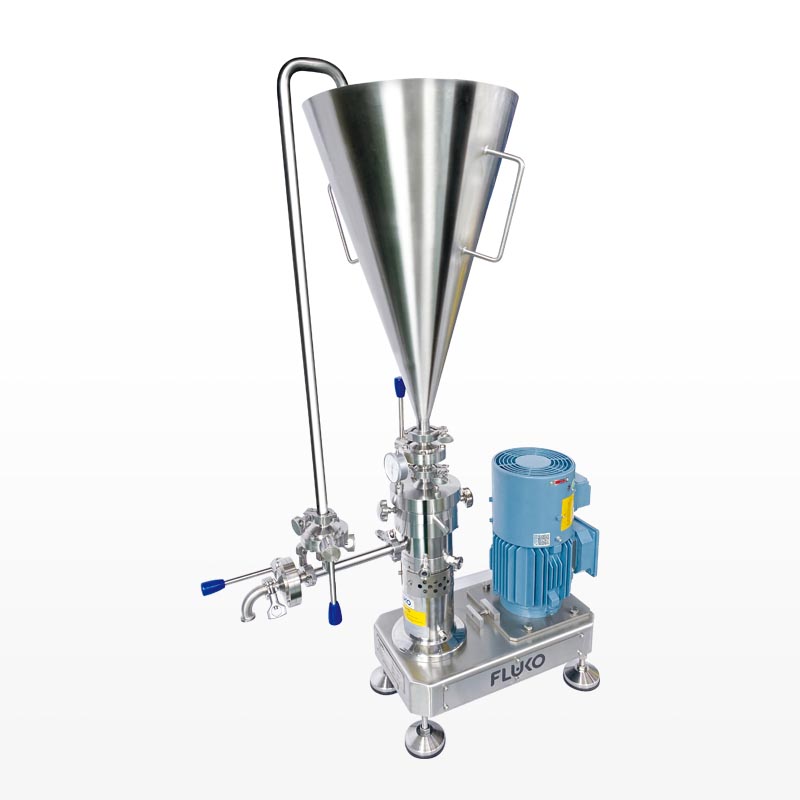
Common mistakes and how to avoid them
Teams often accept vague vendor guarantees, ignore instrumentation for validation, or wait to test until after installation. Avoid three traps: accepting “suitable for purpose” without numbers, skipping on-site validation runs, and letting purchasing override critical technical clauses. If vendors can’t demonstrate repeatable lab or pilot results, treat that as a red flag and require a conditional procurement tied to a short pilot run.
Alternatives and when to choose them
Sometimes a bespoke batch agitator or a static inline mixer is the right choice. Choose an alternative only after comparing measurable outcomes: throughput, energy use, maintenance intervals, and contamination risk. If a process needs high shear over a narrow particle distribution, factory-proven high-shear inline systems beat generic agitators. If the requirement is low-cost blend with tolerance for variability, simpler equipment can be justified — but document the trade-offs so procurement can quantify long-term costs.
Where this leads
Stop treating purchasing as administrative work. Convert requirements into measurable acceptance criteria, build tests into contracts, and make procurement a technical stakeholder. That discipline reduces surprises, speeds commissioning, and stabilizes budgets. Firms that adopt those habits find projects repeatedly land where planners expect them to, and practical suppliers like FLUKO become reliable partners rather than last-minute fixes.
