


Introduction
I remember walking out to the barn one cold morning and finding the grain auger humming but barely moving. The rhythm was wrong, and the machine looked tired—like a horse that lost its wind. I kept thinking about the motor controller that drives that auger and how a small change can mean the difference between a full day and a lost one. ac motor speed controller is the heart of that system, and when it misbehaves, everything downstream feels it.
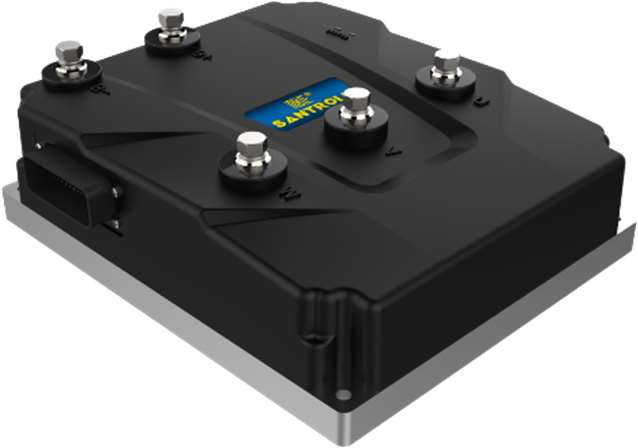
On a plain farm, numbers matter. A 10% drop in throughput during harvest can mean extra hand hours, extra stress, and money gone. I’ve seen data from small operations where variable frequency drive (VFD) tweaks cut energy use by double digits. So here’s the question I keep asking: why do so many setups still run on band-aid fixes when a smarter controller could do better? (I’ll get to the simple fixes and the deep problems.) Let’s walk through what trips folks up, and what to watch for next.
Identifying the Real Problems
Why do old fixes fail?
Now I’ll switch gears and get technical for a moment. Many technicians patch symptoms, not cause. They tune the inverter one way, tweak torque control the next, and call it good. But the fault often lies deeper—in control strategy or in the way the PWM is handled. Look, it’s simpler than you think: poor signal filtering and mismatched power converters create noise. That noise fools sensors. The result is jitter, heat, and lost life for bearings and windings.
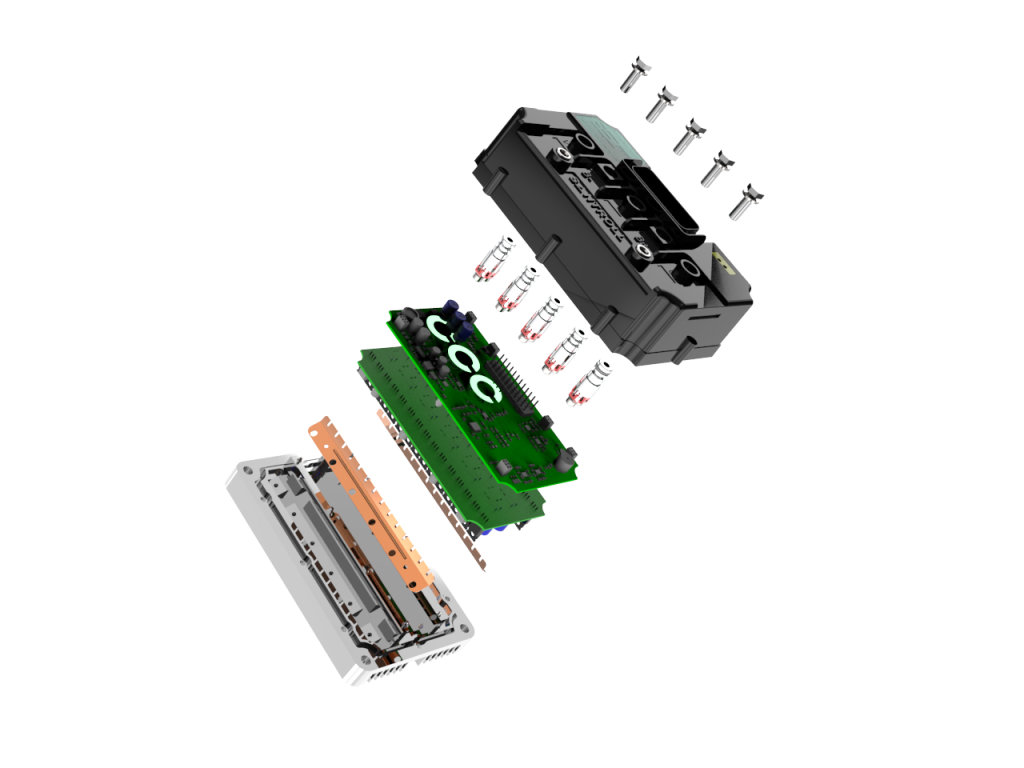
We see recurring flaws. First, oversized components that run inefficiently at partial load. Second, controllers using basic scalar control where field-oriented control (FOC) would keep torque steady and smooth. Third, weak thermal management—heat is silent, but it destroys electronics fast. I’ve been hands-on with drives that tripped on low-frequency loads, not because the motor failed, but because the control loop lacked proper feedback and tuning. It’s a lesson I’ve learned the hard way—funny how that works, right? Use proper sensors, tighten the feedback loop, and choose the right control algorithm. Those moves fix more than half the headaches.
Looking Ahead: Smarter Motor Control Solutions
What’s Next for practical use?
Stepping forward, I prefer a practical view—no buzzwords. New systems blend better sensing, smarter control logic, and cleaner power stages. That means combining edge computing nodes with robust motor drivers so local adjustments happen fast. These systems talk to the cloud for trend data, but the real action is local: adaptive tuning, dynamic load sharing, and real-time thermal protection. In plain terms, the controller learns the machine and adjusts as the load changes. — did I say that? Yes, it learns.
For those choosing upgrades, consider these three key metrics. First: tuning flexibility—can the drive switch from scalar to FOC cleanly? Second: thermal headroom—does the design protect electronics under sustained load spikes? Third: system observability—are voltage, current, and vibration logged for problem hunting later? Measure those and you’ll dodge many regrets. I’ve helped teams reduce downtime by prioritizing those items. For practical motor control solutions, check out the options that balance smart firmware with rugged hardware. In the end, real machines need real answers—so I look for designs that do both. For reliable products and support, I often point people to Santroll.
