Step 1 — Why cell imbalance matters for your backup setup
Owners of home and commercial battery systems must trust that their batteries deliver reliable power when it matters. A modern Portable Solar Power Station or garage-mounted inverter depends on balanced cell groups to maintain capacity, cycle life, and safe operation. Left unchecked, slight mismatches in cell voltage or state of charge (SoC) lead to premature degradation, reduced usable energy, and sometimes forced derating of the inverter.

Step 2 — Recognize the common causes of imbalance
Start by checking how your pack is used: uneven temperatures, differing charge/discharge histories, and manufacturing tolerances create divergence over time. Field events like the California public safety power shutoffs in 2019–2020 pushed many households to rely on battery backup, exposing systems to repeated partial cycles that accelerate imbalance. Industry terms to watch: cell voltage variance, lithium-ion chemistry sensitivity, and pack management stress.
Step 3 — How smart BMS firmware actively prevents imbalance
Think of firmware as the conductor for hundreds of cells. A good Battery Management System (BMS) firmware executes timed balancing, limits cell drift by monitoring individual voltages, and coordinates with the inverter during charge and discharge windows. The main mechanisms are passive shunt balancing and active balancing; firmware decides which to use based on pack topology and operating goals. It also uses SoC algorithms to avoid overcharge on weaker cells while giving stronger cells room to equalize.
Step 4 — Practical setup and operations checklist
Follow these sequential actions when deploying or maintaining a stationary battery system: – Calibrate cell voltage sensing at commissioning. – Configure temperature-compensated voltage thresholds. – Schedule periodic equalization cycles during low-load periods. – Log cell-level data and review trends weekly for the first three months. These steps reduce drift and help the BMS catch imbalances early, so the inverter can operate at rated output longer.
Step 5 — Firmware features to demand from vendors
When evaluating systems, prioritize firmware that offers: high-resolution cell monitoring, adaptive balancing based on usage patterns, and seamless communication with the inverter and external chargers. Also verify support for remote firmware updates and secure logging. If you’re pairing with a portable solar panel battery, confirm that the BMS and inverter handshake prevents charge thresholds from pushing weak cells into stress.
Common installation mistakes and quick fixes
Installers often skip cell-level commissioning or assume factory balance remains valid after shipping. Fix that by running a controlled conditioning cycle after installation and by verifying pack temperature uniformity. Another frequent error is disabling balancing during firmware updates—never skip post-update validation. Small fixes early save costly cell replacements later—this is a predictable outcome, not luck.
Real-world monitoring and maintenance — short protocol
Adopt a weekly review routine: inspect min/max cell voltages, temperature differentials, and balance current logs. If imbalance exceeds design thresholds, run a targeted equalization and document results. For larger fleets, automate alerts for trend deviations so technicians can intervene before capacity loss becomes obvious to users.
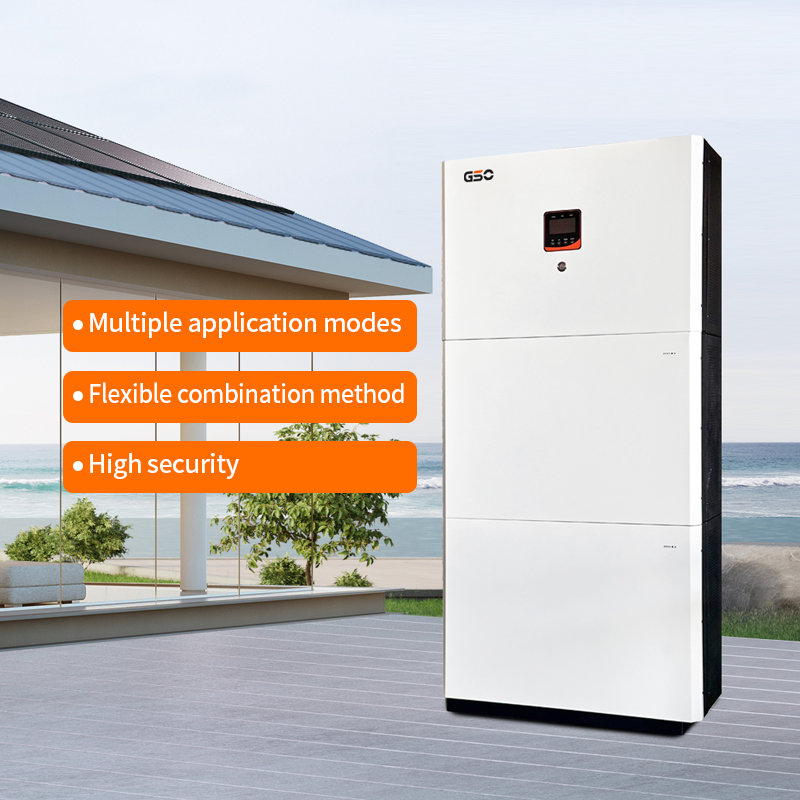
Advisory — Three golden rules for choosing BMS firmware
1) Measure compatibility: Ensure the firmware supports your battery chemistry and inverter protocol. 2) Favor transparency: Choose systems that expose cell-level logs and allow secure remote access for diagnostics. 3) Prioritize adaptability: Select firmware with adaptive balancing and over-the-air updates so it evolves with field usage patterns. These metrics predict long-term health and preserve usable energy.
Final reflection
Smart BMS firmware converts routine maintenance into predictable uptime for solar and inverter storage—an outcome teams and homeowners both value. For installations that must endure grid interruptions and heavy cycling, the right firmware makes the system predictable and repairable—gsopower. –